
Ever watched your heat pump sputter on a scorching Fort Lauderdale afternoon and thought, “I can handle this myself”? You’re not alone—homeowners love the DIY badge, but a single misstep can turn a quick fix into a wallet‑draining nightmare.
From ignoring the little warning signs to using the wrong refrigerant, the most common blunders are as predictable as a summer thunderstorm. The result? Reduced performance, skyrocketing energy bills, and a repair crew that charges double for the damage you could have avoided.
What if you could spot the red flags before they become costly catastrophes? Knowing the right moves now saves you time, money, and a whole lot of sweat.
Stick around, and we’ll walk you through the exact mistakes you must dodge to keep your heat pump humming all year long.
Common Warning Signs Homeowners Overlook
Most Fort Lauderdale residents think a heat pump that hums quietly is “fine.” In reality, the quiet can be a warning flag, not a badge of honor. Ignoring the early clues often means you’ll pay for a full‑system replacement later.
What Your Ears Are Telling You
- Click‑click‑click when the unit starts – a sign the compressor is struggling to lock in.
- A high‑pitched whine that fades in and out – usually a refrigerant leak trying to tell you something.
- Intermittent shut‑offs during hot afternoons – the thermostat may be fighting a failing capacitor.
What Your Eyes Should Spot
- Ice buildup on the outdoor coil – the system is frosting over because airflow is blocked.
- Water pooling around the indoor unit – a clogged condensate drain is about to overflow.
- Dusty or burnt‑smelling wires – electrical components are overheating and need immediate attention.
DIY vs. Professional: Knowing When to Call a Licensed Technician
We get it—your toolbox is full, YouTube is endless, and the price tag on a service call looks scary. But a heat pump isn’t a garden hose; it’s a high‑pressure, electrically‑charged system that can bite back hard if you miss a step.
When the DIY urge feels right
Simple tasks that stay under the surface are usually safe to tackle yourself:
- Replacing or cleaning the air filter (once a month in Fort Lauderdale’s humidity).
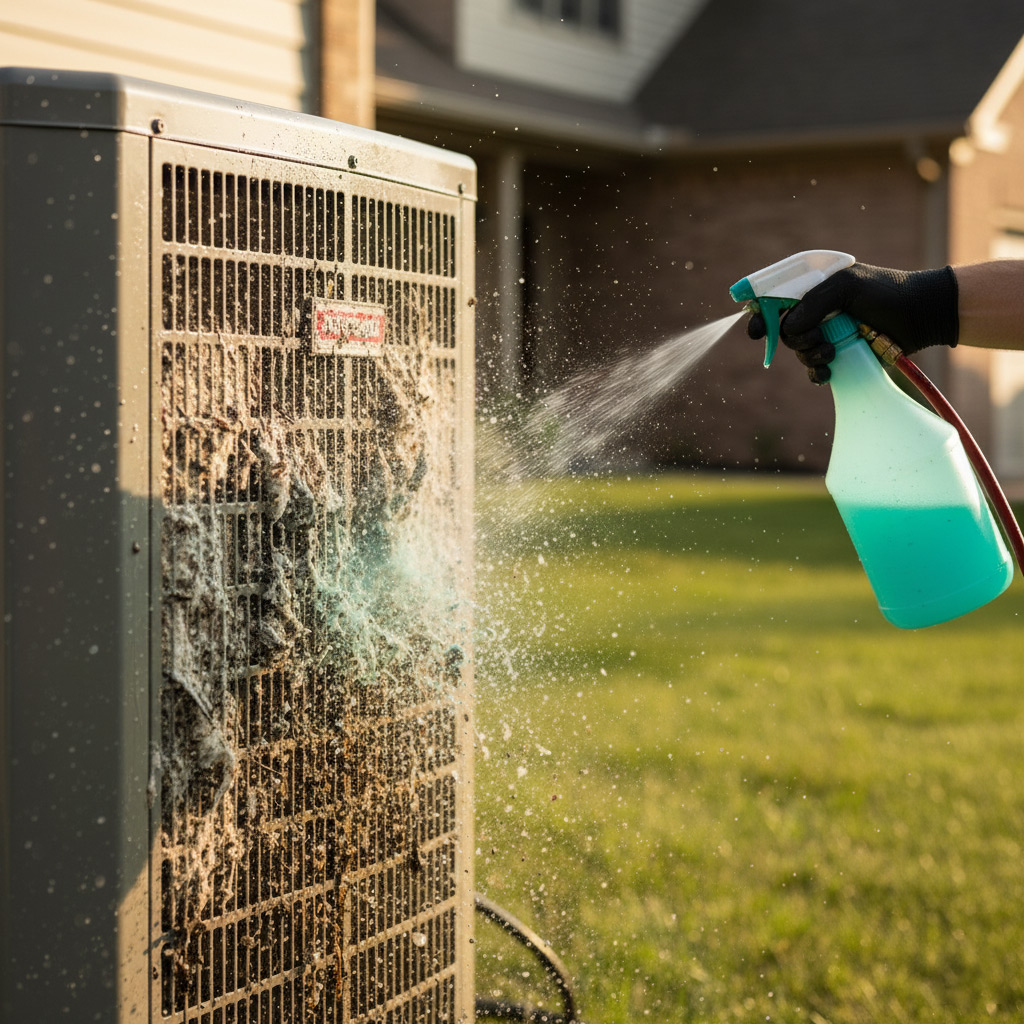
- Wiping the outdoor coil with a garden hose—no pressure washer.
- Checking the thermostat settings and battery.
These jobs cost pennies, take minutes, and keep the unit breathing.
Red flags that scream “call a pro”
If you notice any of the following, stop the DIY and dial a licensed technician:
- Leaking refrigerant – you’ll smell a sweet, oily scent and see frost on the lines.
- Frequent short‑cycling – the unit turns on and off in rapid bursts.
- Electrical sparks or tripped breakers – a sign of wiring trouble.
- Unusual noises like grinding or squealing – could be a motor or fan issue.
These symptoms mean you’re dealing with pressure, electricity, or both. One wrong move can cost you thousands.
Why a licensed pro matters
Florida law requires a certified technician to handle refrigerant and high‑voltage components. They have the tools, the training, and the insurance to:
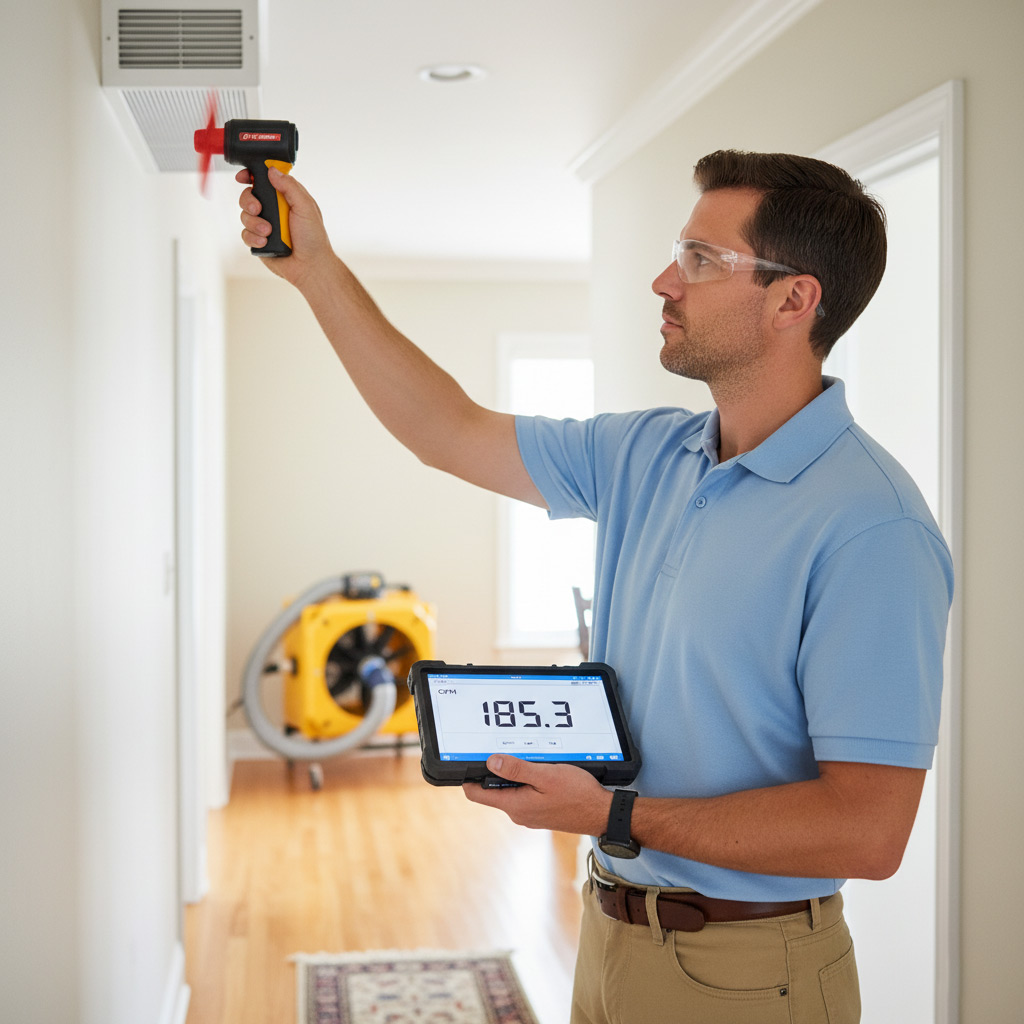
- Diagnose hidden leaks with a UV dye or electronic detector.
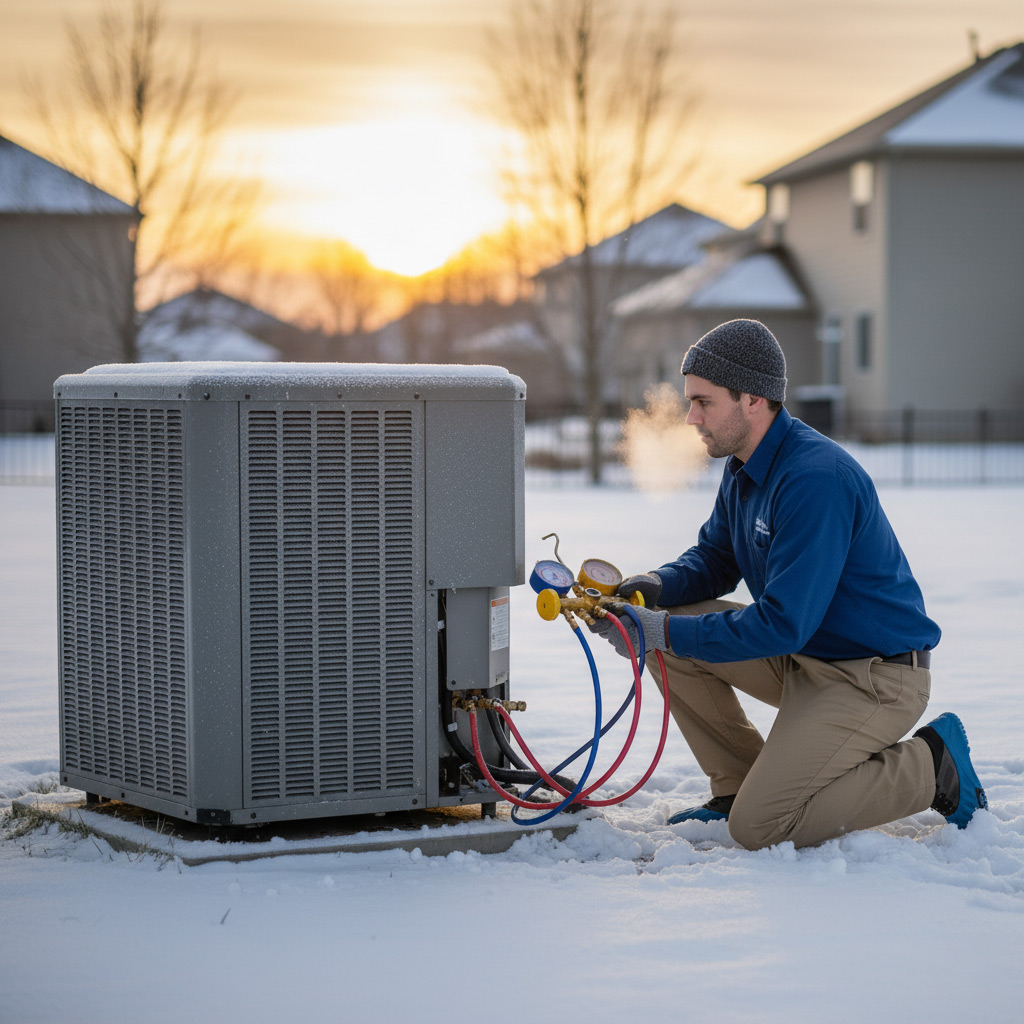
- Charge the system with the exact refrigerant type—no guesswork.
- Perform electrical safety tests that keep your home code‑compliant.
In short, a pro protects your wallet, your comfort, and your peace of mind.
The Risks of Using the Wrong Refrigerant or Improper Charging Techniques
Why the exact refrigerant matters
Heat pumps in Fort Lauderdale are calibrated for a specific refrigerant—most often R‑410A. Slip in R‑22 or a DIY blend, and the system’s pressure curve goes haywire. Wrong refrigerant = reduced capacity, higher energy draw, and a compressor that screams “stop” in minutes.
Even a tiny mix‑up can cause:
- Corrosion of copper coils
- Oil dilution that starves the compressor
- Premature valve failure
Charging errors that cost you
Charging a heat pump isn’t a “fill‑it‑up‑and‑go” job. Too much refrigerant creates high‑side pressure, forcing the compressor to work harder. Too little, and the evaporator freezes, forcing the unit into a costly defrost cycle.
Common charging blunders include:
- Using a gauge set that isn’t calibrated for HVAC work
- Skipping the superheat/subcooling calculations
- Relying on “eyeball” estimates instead of precise measurements
When you overcharge, you’ll notice the unit humming louder, the thermostat cycling faster, and the electric bill climbing. Undercharge? Expect ice buildup on the indoor coil and a chilly home despite the thermostat screaming “heat.”
Safety and warranty pitfalls
Manufacturers void warranties the moment you tamper with the refrigerant charge. That’s a legal trap you don’t want to fall into. Plus, mishandling refrigerants can expose you to toxic fumes and high‑pressure injuries.
Bottom line: let a licensed technician pull the gauges, verify the charge, and certify the refrigerant type. It saves you from a $2,000‑plus repair bill and keeps your heat pump humming through every Florida summer.
Skipping Routine Maintenance: Filters, Coils, and Condensate Drain Care
When you skip the monthly check‑up, you’re basically inviting dust, grime, and hidden leaks to throw a party inside your heat pump. One clogged filter can force the compressor to work twice as hard, and that’s a fast track to higher bills and premature wear.
Filters – The First Line of Defense
Clean or replace the filter every 30‑45 days, especially during Fort Lauderdale’s humid season. A dirty filter does three things: blocks airflow, reduces efficiency, and strains the motor.
- Inspect the pleats; if they look gray, it’s time for a swap.
- Use a high‑efficiency filter rated MERV 8‑11 for residential units.
- Mark the calendar – a simple reminder sticker saves you a call from a repair tech.
Coils – Keep the Heat Pump’s Heart Clean
The evaporator and condenser coils are the heat pump’s heat‑exchange hubs. When they get coated with algae or salt from the sea breeze, performance drops dramatically.
- Turn off power, then spray a coil cleaner and let it foam for 10 minutes.
- Rinse gently with a garden hose; avoid high pressure that could bend fins.
- Schedule a professional coil inspection at least twice a year.
Condensate Drain – Don’t Let Water Play Tricks
A blocked drain line is a silent killer; water backs up, overflows, and can cause mold or water damage to your ceiling.
- Pour a cup of bleach‑water down the drain every quarter to kill slime.
- Check the drain pan for standing water; any puddle means a clog.
- Install a float switch alarm – it alerts you before a minor blockage becomes a flood.
Ignoring Electrical Issues and Safety Hazards
When a heat pump starts tripping the breaker or making a faint buzzing noise, it’s not just a nuisance—it’s a warning sign that the electrical heart of your system is under stress. Messing with live wires without proper training can fry components, ignite a fire, or give you a nasty shock that lands you in the ER.
Red Flags You Should Never Brush Off
- Frequent breaker trips or blown fuses.
- Scorch marks or melted insulation around wiring.
- Flickering lights when the unit kicks on.
- Unusual smells—like burning plastic.
Spotting any of these tells you the problem is electrical, not just a clogged filter. Ignoring them is like ignoring a leak in a boat; the longer you wait, the deeper the damage.
Why a Licensed Technician Is Your Best Bet
- They can safely test voltage, continuity, and resistance with calibrated tools.
- They know the exact refrigerant‑compatible wiring diagrams for Fort Lauderdale’s humidity‑heavy climate.
- They’ll secure connections, replace worn capacitors, and ensure grounding meets code—preventing future outages.
Bottom line: when electricity is involved, treat it like a high‑stakes poker game. One wrong move, and you’re paying for a replacement heat pump instead of a simple fix.
Case Study: A Fort Lauderdale Home That Avoided a $3,000 Repair Bill
Spotting the Red Flags
When the Martinez family noticed a faint whine and a slight drop in airflow, they brushed it off as “just a hot day.” That’s a classic mistake. Within weeks the unit started cycling on and off, a clear sign of low refrigerant and a clogged condensate drain.
- Unusual noises
- Inconsistent temperature
- Excessive humidity around the indoor unit
Calling in the Pros
Instead of reaching for a wrench, they dialed our certified technicians. The crew performed a full diagnostic, discovered a refrigerant leak, and cleaned the drain line before it overflowed.
Key actions taken:
- Leak detection with electronic sensors
- Proper refrigerant recharge using the exact R‑410A spec for their model
- Coil cleaning and filter replacement
The Payoff
By acting early, the Martinez home avoided a compressor failure that would have cost upwards of $3,000 to replace. Their energy bill dropped 15% the next month, and the heat pump runs smooth as a summer breeze.
Lesson learned: a quick call to a licensed pro saves cash, stress, and a whole lot of sweat.
Final Words
When the sun blazes over Fort Lauderdale, your heat pump shouldn’t be the one sweating. Spotting the signs early and calling a licensed tech before a minor hiccup becomes a full‑blown breakdown is the smartest move you can make.
Take Action Today
- Schedule a professional inspection at the first hint of reduced airflow.
- Keep a spare filter on hand and replace it every 30‑45 days during peak season.
- Never gamble with refrigerant—let a certified technician handle the charge.
Need a trusted partner who knows Fort Lauderdale’s heat inside out? Our crew lives and breathes Heat Pump Repair. One call, and we’ll have your system humming again, so you can stay cool without the surprise bill.
People Also Ask
What are the most common warning signs of a failing heat pump in Fort Lauderdale?
A noticeable drop in cooling efficiency, unusual noises, and frequent short cycling are key indicators. Also watch for ice buildup on the outdoor unit and higher energy bills.When should I attempt a DIY heat pump fix versus calling a licensed technician?
Simple tasks like replacing filters or cleaning the condensate drain can be done yourself. For refrigerant handling, electrical work, or complex diagnostics, always hire a licensed professional.Why is using the wrong refrigerant dangerous for my heat pump?
Incorrect refrigerant can cause system over‑pressurization, reduced performance, and potential compressor failure. It also violates EPA regulations and may void your warranty.How often should I schedule routine maintenance for my heat pump?
Schedule professional maintenance at least once a year, ideally before the cooling season starts. Regularly check and replace filters every 1–3 months to keep airflow optimal.What electrical hazards should I watch for with a heat pump?
Look for tripped breakers, flickering lights, or burning smells near the unit. These signs may indicate wiring issues that require immediate professional attention.
Fort Lauderdale HVAC brings over 15 years of residential and commercial climate‑control expertise to the South Florida community. Their team of certified technicians delivers reliable heating, cooling, and ventilation solutions tailored to the unique demands of Fort Lauderdale’s climate. Committed to responsive service and energy‑efficient installations, they keep homes and businesses comfortable year‑round.
Need HVAC?
We provide rapid, results‑focused service across Fort Lauderdale and neighboring ZIPs (33301, 33304, 33305, 33019, 33060), delivering the outcome you need on schedule. Our streamlined process ensures you see measurable results in record time.
Get HVAC Quote