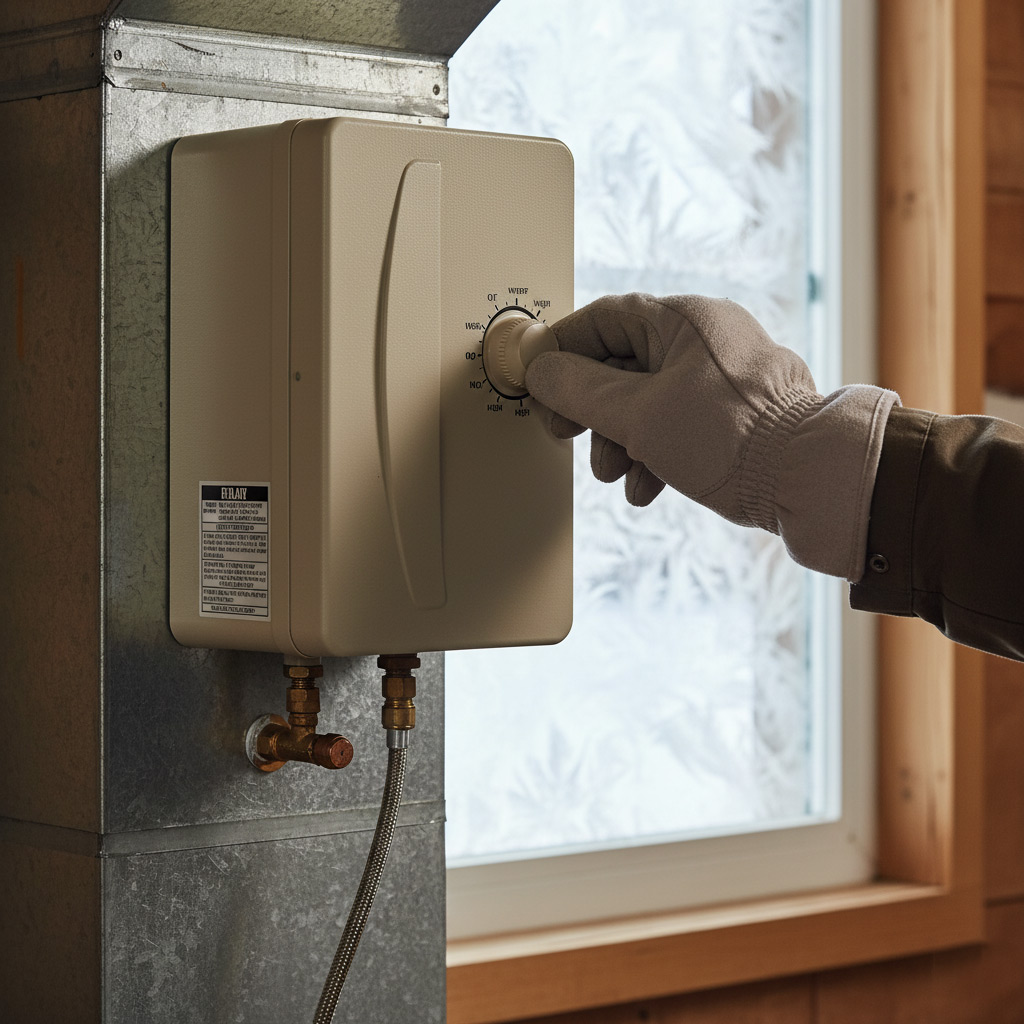
Picture this: you walk into your Fort Lauderdale home after a sweltering day, and the air greets you like a cool wave on a hot beach. No sweat, no noise, just the perfect temperature that makes you wonder how you ever lived without it.
Most homeowners think a new HVAC system is a gamble—big money, confusing options, and a maze of permits. The truth is, with the right plan, you can dodge the guesswork, lock in a fair price, and get a system that handles our tropical heat like a champ.
What follows is a step‑by‑step playbook that cuts the nonsense and shows you exactly what to expect, from sizing the unit to the final punch‑list. Keep reading, and you’ll see how easy it can be to turn that dream breeze into reality.
Assessing Your Home’s Cooling Requirements in Fort Lauderdale’s Climate
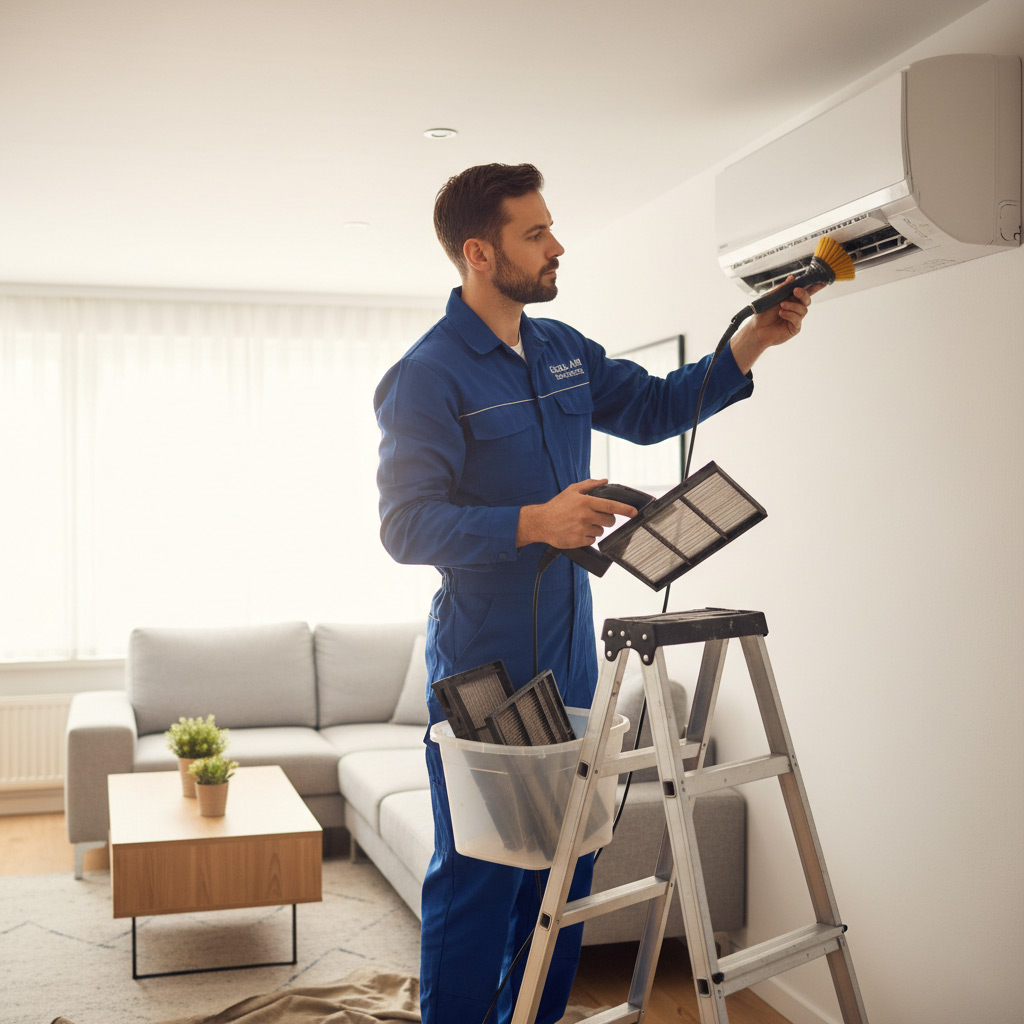
Fort Lauderdale isn’t just sunny; it’s a relentless, humid furnace that can turn any house into a sauna. Understanding how the local weather bites is the first step to a system that actually cools, not just blows hot air around. You’ll want to know the average high of 90°F, the humidity that hovers around 75%, and the occasional sea‑breeze that can shave a few degrees off the load.
Every home is a unique heat‑collector. Square footage matters, but so does roof color, window size, and how many people are inside at 3 p.m. A beachfront condo with large glass walls will demand a different approach than a shaded bungalow tucked behind palm trees. Don’t forget appliances—kitchen ovens, pool pumps, and even a home office can add a surprising amount of heat.
Key Metrics to Capture
- Living area size – total square feet of conditioned space.
- Orientation – which walls face south or west and soak up the sun.
- Window count and type – double‑pane, low‑E, or plain glass.
- Insulation level – attic, walls, and crawl‑space R‑values.
- Occupancy patterns – how many people, when they’re home.
- Appliance load – major heat‑generating devices.
Selecting the Ideal HVAC System: Types, Efficiency Ratings, and Features
Know Your Options
Fort Lauderdale homes usually swing between three main players: a central split system, a ductless mini‑split, or a heat pump. Each one has a sweet spot—central splits dominate larger floor plans, mini‑splits excel in additions or tight spaces, and heat pumps double‑down on cooling and heating without a furnace.
Decode the Ratings
Don’t let the numbers scare you. The two figures you’ll hear most are SEER (Seasonal Energy Ratio) for cooling and HSPF (Heating Seasonal Performance Factor) for heating. Higher numbers mean the unit works harder for less electricity.
- SEER 14‑16: solid for most homes, keeps bills in check.
- SEER 18‑20: premium tier, worth it if you run AC all summer.
- HSPF 8‑10: good heat‑pump performance in mild winters.
- Look for the ENERGY STAR label—proof the unit passed strict government tests.
Features That Matter
Beyond the basics, modern units pack tricks that make life easier. Pick a system that talks to your smartphone, adjusts airflow on the fly, and fights mold before it starts.
- Variable‑speed blower: whisper‑quiet, steadier temps.
- Smart thermostat compatibility: remote control, learning schedules.
- UV‑light or antimicrobial coil coating: cleaner air, less maintenance.
- Corrosion‑resistant components: essential for salty coastal air.
Precise Load Calculations and Proper Sizing for Tropical Heat
Why Load Matters
In Fort Lauderdale, a unit that’s too small will run nonstop, while an oversized system will cycle on and off like a broken fan. Both scenarios waste money and ruin indoor comfort.
Key factors that drive the load number include:
- Square footage and ceiling height
- Sun‑exposed windows and shading
- Insulation quality and air leakage
- Occupancy patterns and appliance heat
Getting the Numbers Right
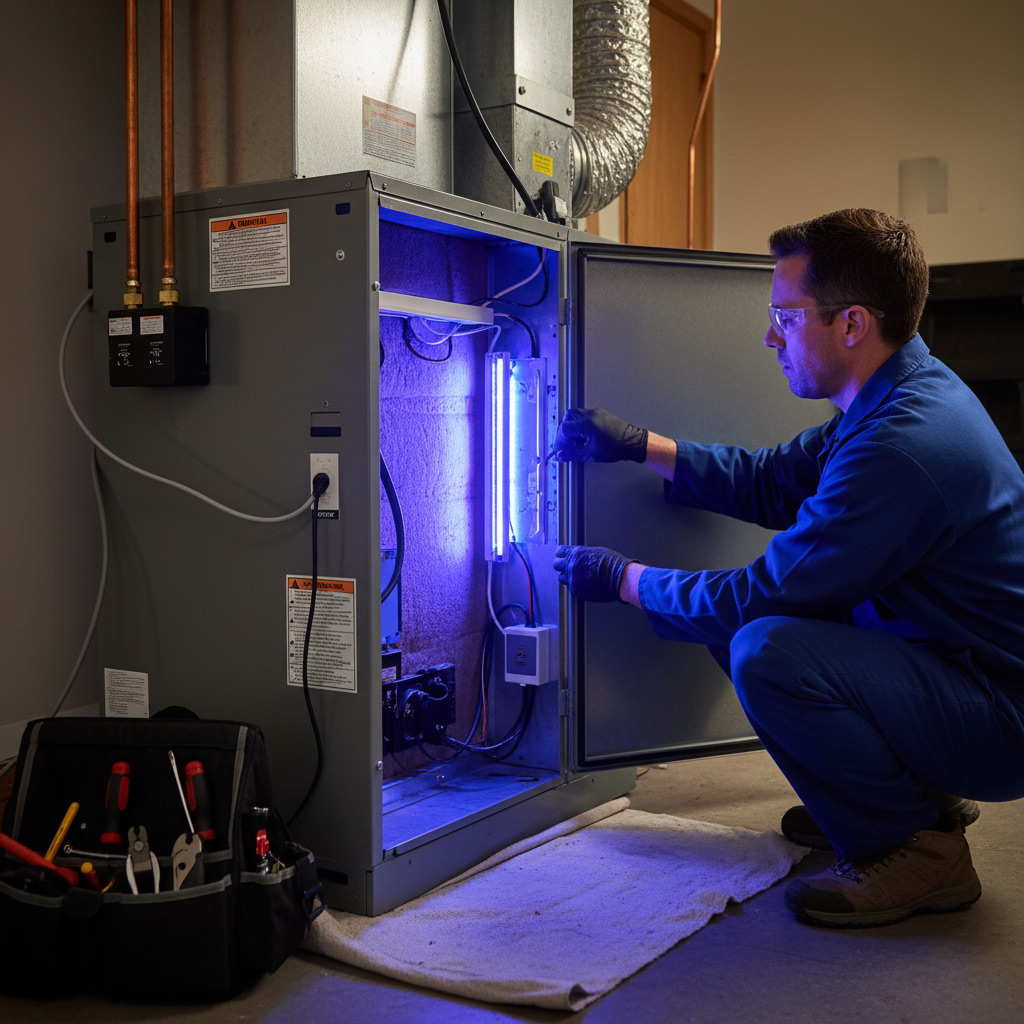
A reputable contractor will perform a Manual J calculation—nothing fancy, just a proven method that accounts for every heat source. The result is a BTU rating that matches your home’s unique profile.
For a typical 2,200‑sq‑ft Fort Lauderdale home, you’ll see numbers around 30,000‑35,000 BTU. Don’t rely on “rule‑of‑thumb” guesses; they ignore the humidity load that makes our summers brutal.
What Happens If You Miss the Mark
Oversized units short‑cycle, leading to higher utility bills and premature wear. Undersized units struggle to hit set points, leaving you sweating on the porch.
Ask your installer for a copy of the load report. Verify the square footage, window count, and insulation values. If anything looks off, speak up before the ductwork is sealed.
Permits, Regulations, and Choosing a Licensed Contractor in Broward County
What permits do you need?
Before any ductwork or refrigerant lines touch your ceiling, Broward County demands a mechanical permit. Skip it, and you risk fines or a failed inspection.
Most reputable HVAC firms will pull the paperwork for you, but you should still know what’s required:
- Mechanical Permit – covers the entire HVAC system installation.
- Electrical Permit – needed if new wiring or a dedicated circuit is part of the job.
- Building Permit – only if you’re altering walls, windows, or structural elements.
Key regulations you can’t ignore
Broward follows the Florida Building Code, which leans heavily on the International Mechanical Code. That means proper clearances, fire‑stop requirements, and energy‑efficiency standards are non‑negotiable.
Two rules that bite most homeowners:
- SEER rating must meet or exceed the state minimum (currently 14 for most residential units).
- All refrigerant handling must be performed by a certified technician under EPA Section 608.
How to pick the right pro
Don’t just chase the lowest quote. A licensed contractor protects you from costly re‑work and keeps the warranty intact.
Ask for these proof points before you sign:
- Active Broward County contractor’s license (verify at www.myfloridalicense.com).
- Proof of insurance – general liability and workers’ comp.
- References from recent Fort Lauderdale installations, especially beachfront or high‑humidity projects.
The Installation Journey: Timeline, Preparation, and On‑Site Expectations
Step‑by‑step timeline
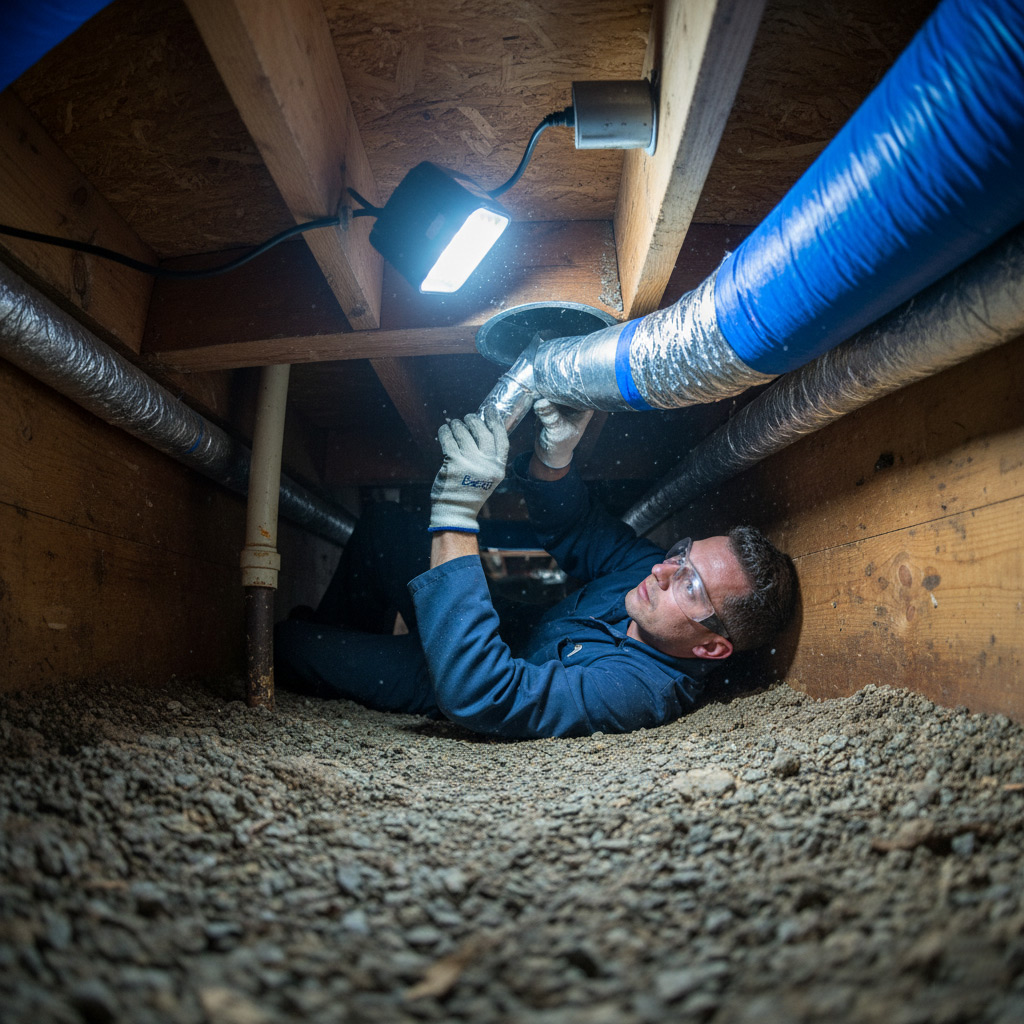
Most jobs wrap up in 7‑10 business days. Day 1: contractor arrives, checks the site, and confirms the layout. Day 2‑3: ductwork and refrigerant lines are hung, then the unit is staged.
Day 4‑5: electrical connections and thermostat wiring are completed. Day 6: the system is charged, calibrated, and tested. Day 7: final walk‑through and punch‑list sign‑off.
- Day 1 – Site survey & verification
- Day 2‑3 – Duct & line installation
- Day 4‑5 – Electrical & controls
- Day 6 – Charge & test
- Day 7 – Final inspection
What you need to do before the crew shows up
Clear the work zone. Move furniture, rugs, and anything that could block the crew’s path. Think of it like clearing a beach for a sandcastle.
Turn off existing units and shut off the main breaker. This prevents accidental shocks and saves the techs time. Have a copy of your home’s electrical plan handy – the electrician will thank you.
On‑site expectations
The crew will wear branded shirts, carry tools, and keep the work area tidy. Expect a few knocks on the wall; they’re anchoring brackets, not breaking anything.
Noise peaks during duct cutting and when the unit is lifted onto the roof. It’s loud, but it’s over quickly. By the end of the job you’ll hear a gentle hum, not a roar.
Case Study: Transforming a Fort Lauderdale Beachfront Residence with a New HVAC System
The Situation
When the owners of a 2,800‑sq‑ft beachfront condo called us, they were battling relentless heat and a humming unit that never seemed to catch up. The old system was 15 years old, undersized, and constantly tripping the breaker during afternoon spikes. They needed a fix that could survive salty air, high humidity, and the occasional tropical storm.
Key pain points:
- Inconsistent temperatures between the master suite and the open‑plan living area.
- Energy bills that were creeping past $500 a month.
- Noise levels that made it hard to enjoy the ocean view.
The Solution
We performed a precise Manual J load calculation, factoring in the ocean breezes and the sun‑baked glass walls. The result: a 5‑ton, variable‑speed heat pump with a SEER rating of 18 and a corrosion‑resistant coating for the coastal environment. Installation included a smart thermostat, duct sealing, and a dedicated condensate pump to keep humidity in check.
Why this combo worked:
- Variable‑speed compressor – ramps up only what’s needed, cutting waste.
- Corrosion‑protected coil – survives salty spray without rust.
- Smart thermostat – learns patterns, trims usage by up to 15%.
The Results
Within the first month, the homeowners reported a uniform 72 °F throughout the house, even during a 95 °F heat wave. Their utility bill dropped to $320, a 36% reduction. The unit runs whisper‑quiet, so they can finally hear the waves without a mechanical roar.
Bottom line: a properly sized, high‑efficiency system turned a sweaty nightmare into a breezy, cost‑effective reality. The condo now sells faster, and the owners sleep soundly knowing their investment is protected against the next hurricane season.
Final Words
Before you sign the contract, double‑check three things: the unit’s SEER rating, the warranty length, and the contractor’s license number. A quick phone call to Broward County’s licensing board can save you headaches later.
Quick Checklist
- Confirm the load calculation report matches your home’s square footage.
- Ask for a written timeline that includes delivery, rough‑in, and final testing.
- Make sure the installer provides a post‑install walk‑through and a maintenance schedule.
When you’re ready to move forward, remember the HVAC Installation page is a great place to compare options and read real‑world reviews from Fort Lauderdale neighbors. A solid plan, a reputable pro, and a little patience will have you enjoying that cool‑beach‑breeze feeling all year long.
People Also Ask
How do I determine the right size HVAC system for my Fort Lauderdale home?
Start with a professional Manual J load calculation that considers square footage, insulation, window exposure, and local humidity. This ensures the unit is neither oversized nor undersized, optimizing comfort and efficiency.
What efficiency ratings should I look for in a new HVAC system in a tropical climate?
Seek units with a SEER rating of 16 or higher and an ENERGY STAR certification. Higher ratings translate to lower energy bills and better performance during Fort Lauderdale’s hot, humid summers.
Do I need permits for an HVAC installation in Broward County?
Yes, Broward County requires a mechanical permit for new installations or major replacements. A licensed contractor will handle the paperwork and ensure compliance with local codes.
How long does a typical HVAC installation take in Fort Lauderdale?
Most residential installations are completed within 2–3 days, including removal of the old unit, ductwork adjustments, and system testing. Preparation steps like clearing the work area can affect the timeline.
What are the benefits of choosing a licensed HVAC contractor in Fort Lauderdale?
A licensed contractor guarantees proper training, insurance coverage, and adherence to local regulations. This reduces the risk of faulty installations and protects your warranty.

Fort Lauderdale HVAC brings over 15 years of residential and commercial climate‑control expertise to the South Florida community. Their team of certified technicians delivers reliable heating, cooling, and indoor‑air‑quality solutions tailored to the unique climate of Fort Lauderdale. Committed to responsive service and local knowledge, they keep homes and businesses comfortable year‑round.
Need HVAC?
We provide rapid, results‑focused service across Fort Lauderdale and neighboring ZIPs (33301, 33304, 33305, 33019, 33060), delivering the outcome you need on schedule. Our streamlined process ensures you see measurable results in record time.
Get HVAC Quote