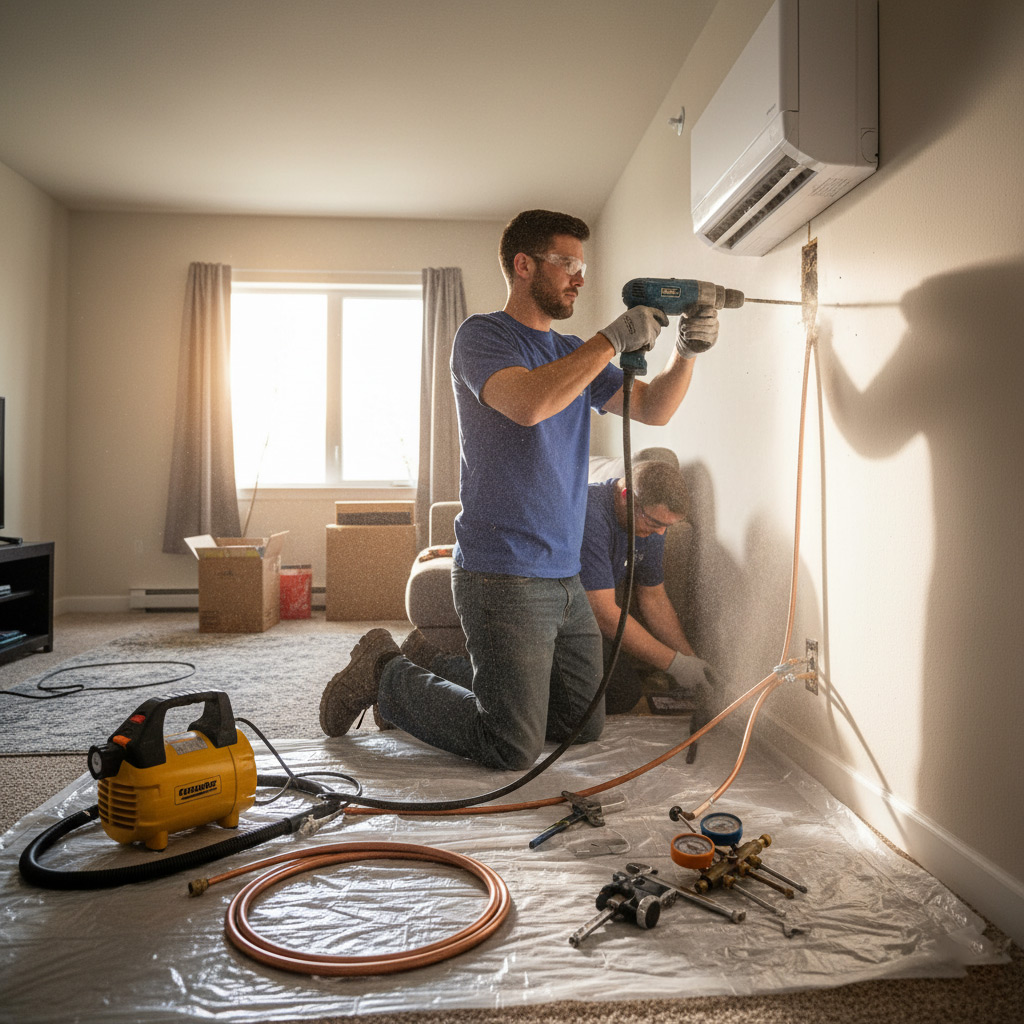
Ever wonder why your AC sputters on a scorching Fort Lauderdale afternoon while the neighbors stay ice‑cold? The culprit is rarely a mystery—it’s usually a missed step in the troubleshooting dance.
Most homeowners jump straight to calling a tech, but a quick, systematic check can save you time, money, and a whole lot of sweat. Think of it as a cheat sheet that lets you spot the obvious before the big problem shows up.
We’ve pulled together a “secret” checklist that even seasoned pros keep in their back pocket. From the thermostat’s hidden settings to the little‑known filter tricks that keep airflow humming, this list covers the bases that most people overlook.
Grab the checklist, follow the steps, and you’ll be turning that furnace fiasco into a breezy win before the next heatwave hits.
Understanding Fort Lauderdale’s Climate Impact on Your HVAC System
Fort Lauderdale isn’t just sunny— it’s a humidity monster that can push indoor moisture levels past 70 %. That extra water clings to your evaporator coil, making it work harder to pull heat out of the air. When the coil gets too wet, you’ll hear that dreaded “hissing” sound and see ice forming where it shouldn’t.
Key Climate Drivers
- High humidity – forces the system to run longer, raising wear on motors and compressors.
- Daily sea‑breeze spikes – cause rapid temperature swings that confuse thermostats.
- Summer thunderstorms – dump gallons of rain in minutes, flooding outdoor units if drainage isn’t spot‑on.
Because the heat never really lets up, your AC never gets a true “off” cycle. That constant grind shortens the life of belts, lubricates the fan motor less, and can sneak a refrigerant leak into the mix. Knowing these quirks lets you spot trouble before the whole house turns into a sauna.
Thermostat Settings & Hidden Controls: The First Diagnostic Step
Start with the obvious
Before you climb onto the roof, make sure the thermostat is actually telling the system to cool. Set the mode to “Cool”, raise the temperature a few degrees above the room temp, and hit “Run”. If the fan spins but no cold air blows, you’ve isolated the problem to the outdoor side.
Next, verify the fan setting. Many units sit on “Auto” by default, but a stray “On” command can make the blower run nonstop, masking a refrigerant issue. Switch it back to Auto and listen for the compressor kick‑in.
Uncover hidden controls
Fort Lauderdale homes often come with smart thermostats that hide schedules, vacation modes, and humidity set‑points behind a few taps. Dive into the menu and look for:
- Vacation/away mode – disables cooling to save energy.
- Humidity control – may limit cooling when humidity is set low.
- Temperature swing – a wide swing can cause the unit to cycle erratically.
Turn off any of these features while you troubleshoot. A quick reset (remove batteries or power‑cycle) can also clear a glitch that’s keeping the system from responding.
Quick sanity check
Grab a thermometer and place it near the supply vent. If the air is only a few degrees above room temp, the thermostat is likely doing its job and the issue lies elsewhere. If the vent feels warm, you’ve caught a mis‑set thermostat before the tech even arrives.
Air Filter Inspection & Ductwork Flow Checks
Why the Filter Matters
In Fort Lauderdale’s salty, humid air, a clogged filter is the fastest way to choke your AC. Swap it out every 30‑45 days if you have pets or run the system nonstop during summer. A clean filter restores pressure, lets the coil breathe, and keeps the compressor from overworking.
Quick Visual Test
Grab the filter, hold it up to the light. If you can’t see through it, it’s time for a new one. Slip a fresh pleated filter in, hear the soft click, and you’ve already saved a few hundred dollars.
Checking Duct Flow Without a Pro
Turn the thermostat to “fan‑only” and feel each vent for a steady breeze. Weak airflow on one side? That’s a clue something’s blocked.
- Remove vent covers; look for dust piles or debris.
- Use a flashlight to spot cracks or loose connections.
- Seal gaps with foil‑backed tape; it’s cheap and effective.
When you tighten up the ducts, the system doesn’t have to fight resistance, and the indoor temperature drops faster. Simple, fast, and you’ll notice the difference before the next heatwave hits.
Outdoor Unit Evaluation: Condenser, Coils, and Fan Motors
First thing’s first—pull the cover off the condenser and give it a once‑over. Look for leaves, sand, or any debris that’s turned the unit into a clogged filter. A quick brush‑off can restore airflow faster than you think.
Condenser Clean‑up
While you’re there, check the fins for bends. A straight fin lets air glide; a warped one throws it off course. Grab a fin‑comb and straighten any that look like a crumpled piece of foil.
- Turn off power at the breaker before you touch anything.
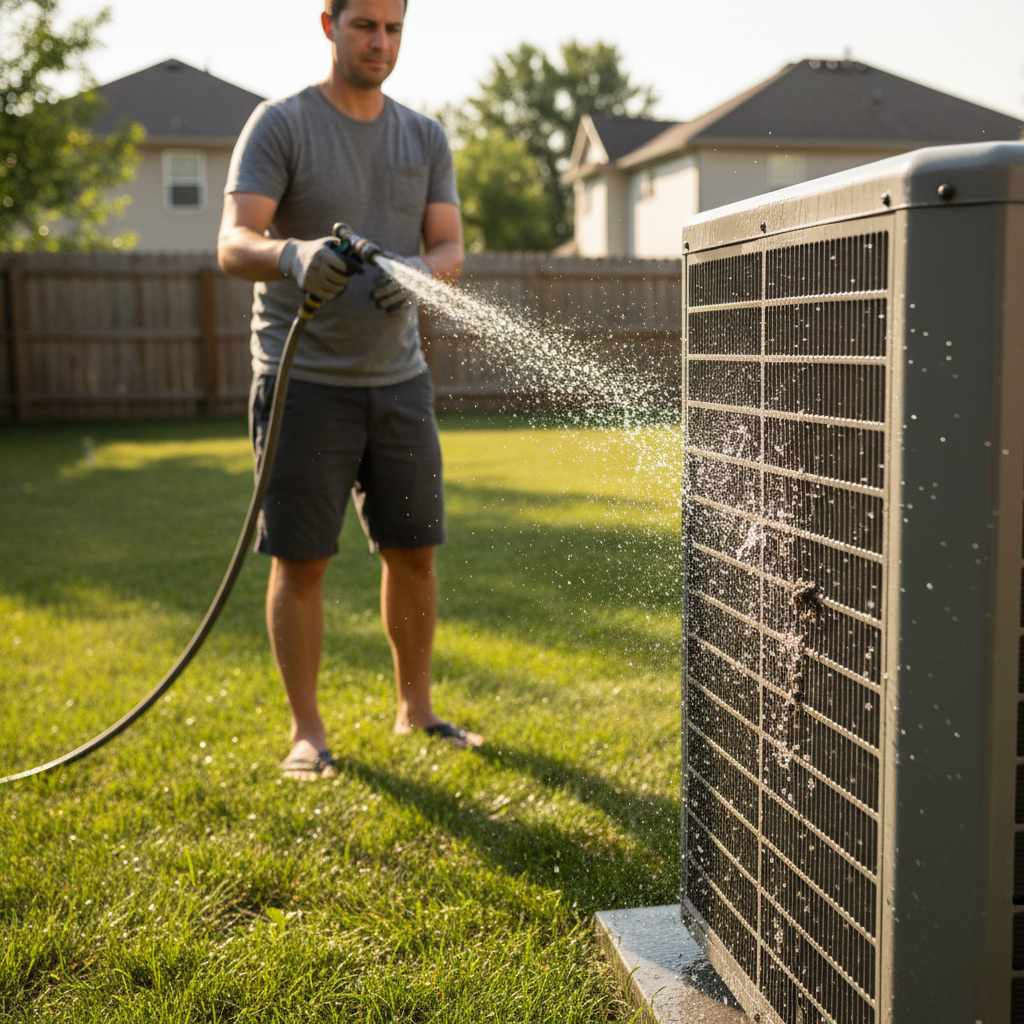
- Spray the coils with a garden‑hose (no pressure washer).
- Let the unit dry for 15 minutes, then replace the cover.
Coil Condition & Fan Motor Health
The evaporator coil should be a clean, silvery gray. If it’s brown or sticky, the refrigerant isn’t absorbing heat properly. Inspect the fan motor for wobble; a loose motor makes a rattling noise and can overheat.
Give the fan blades a spin by hand—if they feel gritty, spray a light mist of coil cleaner and wipe with a soft cloth. Finally, listen for a steady hum when the unit powers up; any grinding or sputtering means the motor bearings need lubrication or replacement.

Electrical and Refrigerant Troubleshooting Essentials
Power Supply Check
First, verify that the breaker isn’t tripping on a hidden overload. Flip the switch off, wait ten seconds, then flip it back on—if the unit still won’t start, you’ve got a wiring issue.
Next, hunt for loose connections at the thermostat, the indoor blower, and the outdoor condenser. Secure every screw and look for scorch marks; a single bad contact can shut down the whole system.
- Turn off power at the breaker.
- Inspect all terminal blocks for corrosion.
- Use a multimeter to confirm 24‑V signal at the thermostat.
Refrigerant Leak Detection
Low refrigerant is the silent killer of AC performance in Fort Lauderdale’s salty air. If you notice ice forming on the evaporator coil, it’s a red flag that pressure is off.
Grab a leak detector or apply a soap‑solution to joints and tubing. Bubbles mean a leak—don’t try to patch it yourself; call a certified tech to recover the refrigerant and recharge the system.
- Check the service valve for proper opening.
- Measure suction and discharge pressures against manufacturer specs.
- Record the readings; they’ll guide the tech on how much refrigerant is needed.
Case Study: Rapid Resolution of a Sudden AC Failure in a Fort Lauderdale Home
The Situation
It was a sweltering Thursday afternoon when the Johnson family called, panicked that their living room felt like a sauna while the neighbor’s unit stayed frosty. One quick glance at the thermostat showed a blinking error code, but the family had no clue what that meant.
The Diagnosis
Our tech arrived, grabbed the “secret” checklist, and started with the basics. Within five minutes we uncovered three red flags:
- Thermostat set to “Fan‑Only” – a hidden mode that tricks the system into blowing warm air.
- Air filter clogged with sand‑colored debris – a common culprit after a recent beach storm.
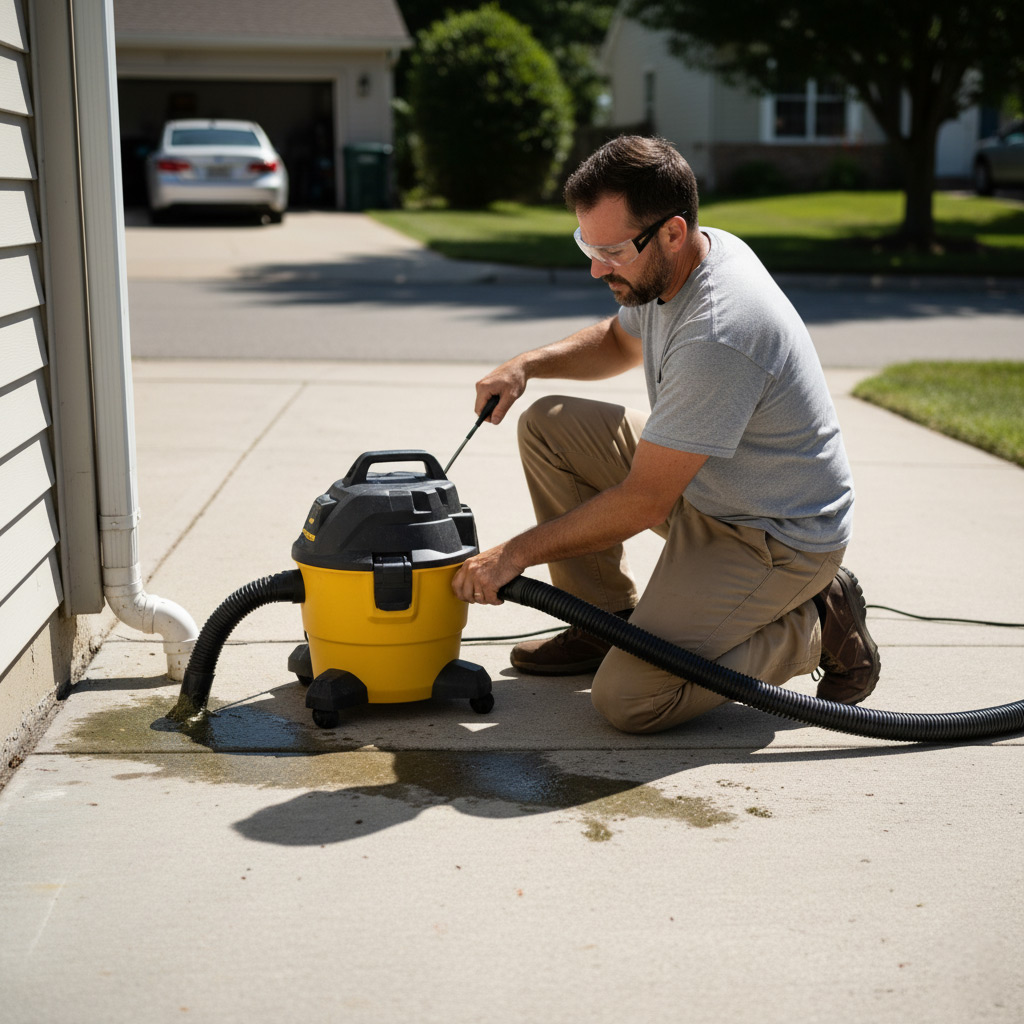
- Condensate drain line blocked, causing the unit to shut down for safety.
Each issue was isolated with a simple test: a quick reset, a filter swap, and a clear‑out of the drain line using a garden hose.
The Fix
After the fixes, the AC roared back to life in under ten minutes. The Johnsons watched the temperature drop from 92°F to a comfortable 74°F, and the error code vanished. Lesson learned: a systematic, step‑by‑step check can turn a crisis into a quick win, saving both money and heat‑stroke risk.
Final Words
Before you call a tech, run through the quick‑fire checklist one more time. A missed filter or a thermostat on “auto‑away” can turn a perfect day into a sweaty nightmare.
What to Do Next
- Print the list and keep it on your fridge.
- Schedule a 6‑month inspection with a certified Fort Lauderdale HVAC pro.
- Bookmark our HVAC Troubleshooting hub for future fixes.
Remember, the best defense is a proactive routine. A clean coil, a snug seal, and a correctly set thermostat keep the system humming while the sun blazes outside.
People Also Ask
What are the first signs that Fort Lauderdale’s humidity is affecting my HVAC system?
High humidity can cause the condenser coils to freeze and the system to short‑cycle. You may also notice excess moisture on windows and a musty odor from the vents.How often should I clean or replace my air filter in a coastal Florida home?
In Fort Lauderdale’s dusty, salty air, replace the filter every 30‑45 days, or clean a reusable filter weekly. This prevents airflow restriction and protects the coil from corrosion.Can I troubleshoot a non‑cooling AC unit without a professional?
Yes, start by checking thermostat settings, resetting the breaker, and inspecting the outdoor unit for debris. If the unit still won’t cool, the issue likely involves refrigerant or electrical components that need a licensed technician.What electrical problems are most common in Fort Lauderdale HVAC systems?
Corroded wiring connections and tripped breakers caused by moisture are frequent. Inspect the disconnect box for signs of rust and ensure all terminals are tight.Why does my AC shut off suddenly during a hot afternoon?
A sudden shutdown often results from an overheated compressor due to low refrigerant or a clogged condenser coil. Clean the coil and verify refrigerant levels before calling a pro.
Fort Lauderdale HVAC brings over 15 years of residential and commercial climate‑control expertise to the South Florida community. Their team of certified technicians delivers reliable heating, cooling, and ventilation solutions tailored to the unique climate of Fort Lauderdale. Committed to responsive service and energy‑efficient installations, they keep homes and businesses comfortable year‑round.
Need HVAC?
We provide rapid, results‑focused service across Fort Lauderdale and neighboring ZIPs (33301, 33304, 33305, 33019, 33060), delivering the outcome you need on schedule. Our streamlined process ensures you see measurable results in record time.
Get HVAC Quote