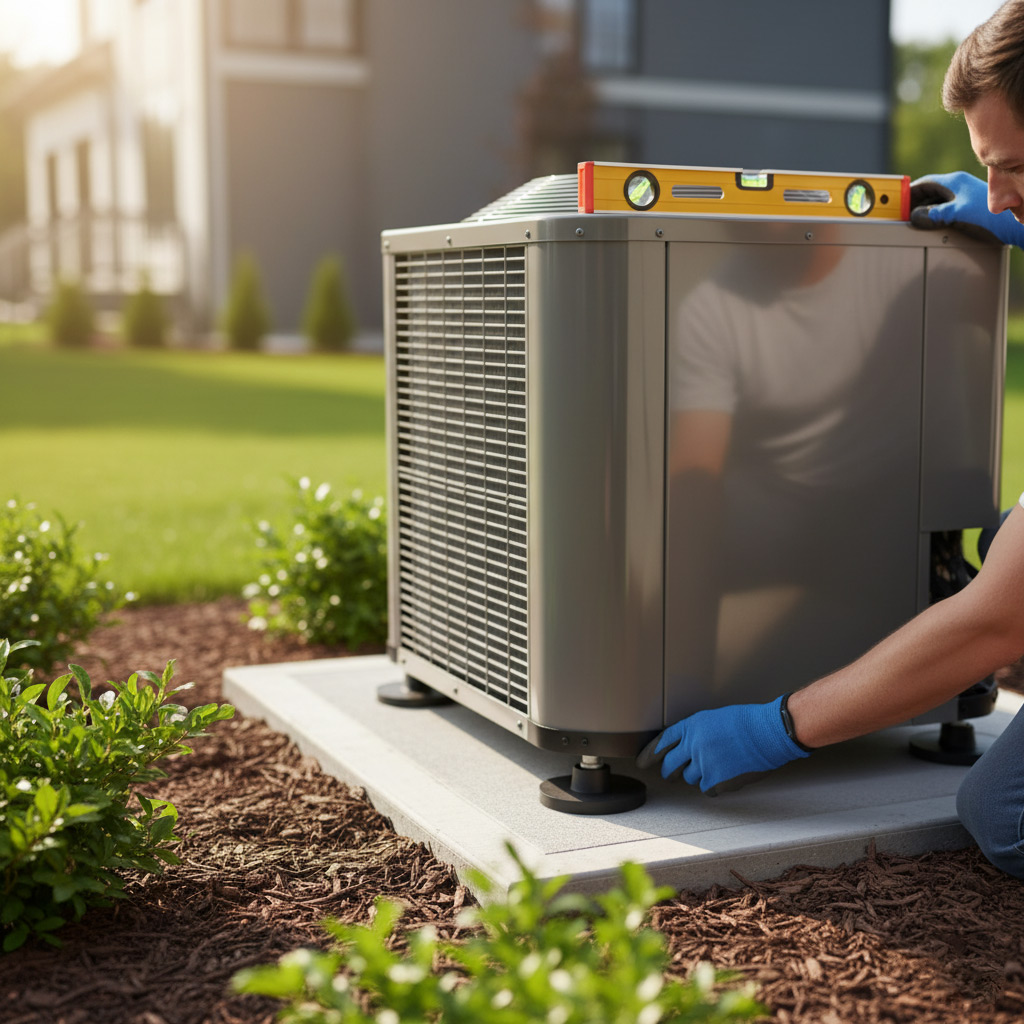
Picture this: the sun is scorching Fort Lauderdale, yet inside your home the air feels like a cool breeze on a summer night.
Smart locals don’t wait for a breakdown—they set a calendar reminder, swap out filters before they get clogged, and give their outdoor unit a quick once‑over after every rainstorm.
The payoff? Lower energy bills, fewer surprise service calls, and a system that runs smooth year after year.
If you’re curious about the exact steps they follow to keep their HVAC humming, keep reading and you’ll get the play‑by‑play.
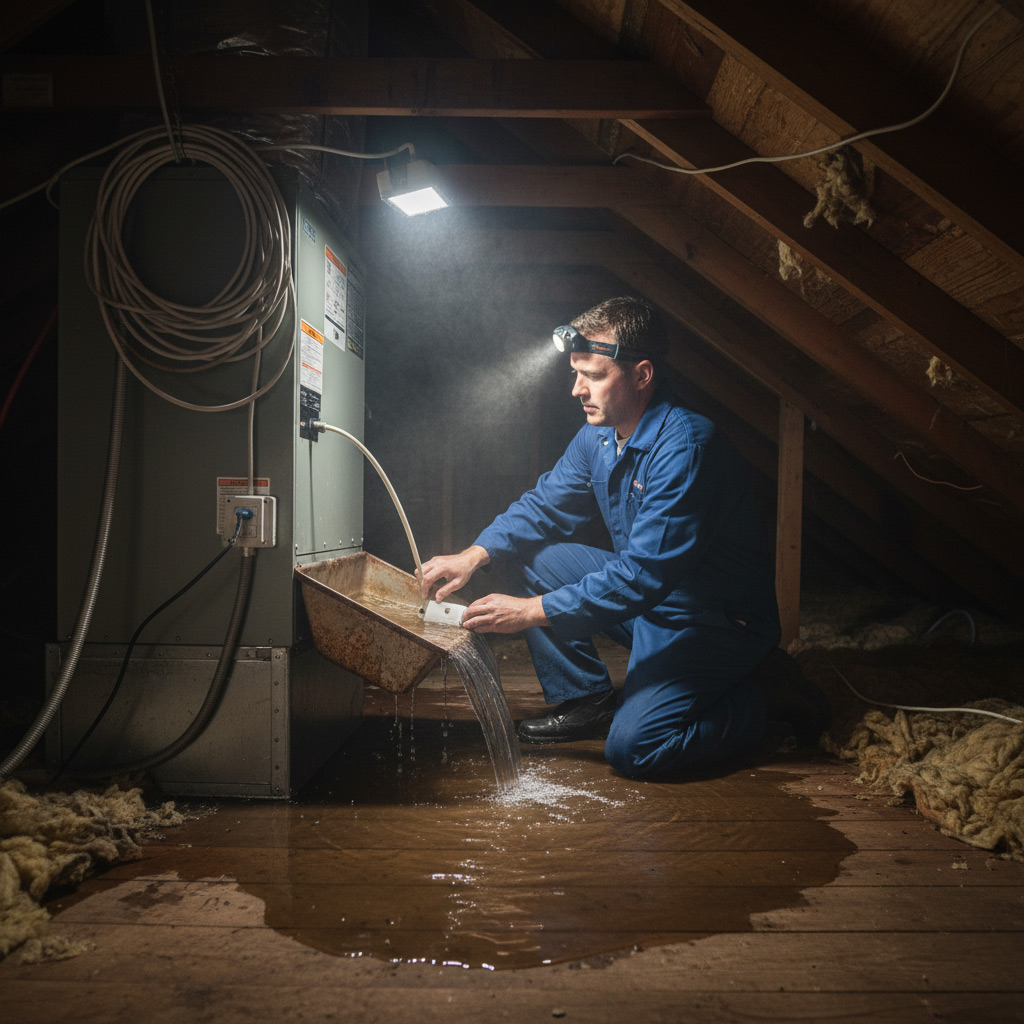
Create a Year‑Round Maintenance Schedule Tailored to Fort Lauderdale’s Climate
Fort Lauderdale’s heat and humidity don’t take a vacation, so your HVAC plan can’t either. Map out a calendar that mirrors the city’s weather peaks—summer’s swelter, winter’s mild dip, and the rainy bursts in between. By syncing tasks with the climate, you dodge surprise breakdowns and keep the indoor comfort level steady.
Monthly Check‑In
- Inspect the thermostat display for error codes and verify it’s still calibrated.
- Run the fan for a few minutes to listen for rattles or odd noises.
- Quickly glance at the outdoor unit for debris after each rainstorm.
These bite‑size actions take less than five minutes but catch problems before they snowball. Consistency beats panic; a quick glance each month saves you a costly service call later.
Seasonal Deep Dives
- Spring: Clean the condenser coils, tighten electrical connections, and check refrigerant pressure.
- Summer: Swap out filters at least every 30 days, and verify the suction line is free of algae.
- Fall: Cover the outdoor unit during hurricane season, and test the backup heat source.
- Winter: Run the system on low‑heat mode for 15 minutes weekly to keep moving parts lubricated.
When you slot these deeper inspections into the calendar, you turn maintenance into a habit rather than a chore. The result? A system that runs like a well‑tuned engine, no matter how the South Florida weather swings.
Perform a Pre‑Season Outdoor Unit Inspection and Cleaning Routine
Why a Pre‑Season Check Matters
Fort Lauderdale’s salty breezes and sudden downpours love to hide debris in your condenser. Missing a simple visual sweep can turn a mild hum into a costly breakdown when summer hits.
Give yourself a heads‑up by scanning for:
- Leaves, twigs, or sand piled around the base.
- Corroded fins that look like a rusted fence.
- Obstructed fan blades that wobble when you spin them.
Step‑by‑Step Cleaning Routine
First, shut off the power at the breaker – safety first, always.
Next, pull the protective grille and:
- Vacuum loose debris with a soft brush attachment.
- Spray the coils with a garden hose on a gentle setting; avoid high pressure that can bend fins.
- Wipe the fan blades with a damp cloth; don’t forget the motor housing.
Finish by checking the condensate drain. A clear line prevents water‑damage and mold growth.
Lock It In
Write the date, notes, and any oddities in a small notebook or phone app. When you see a pattern, call a pro before the heat spikes.
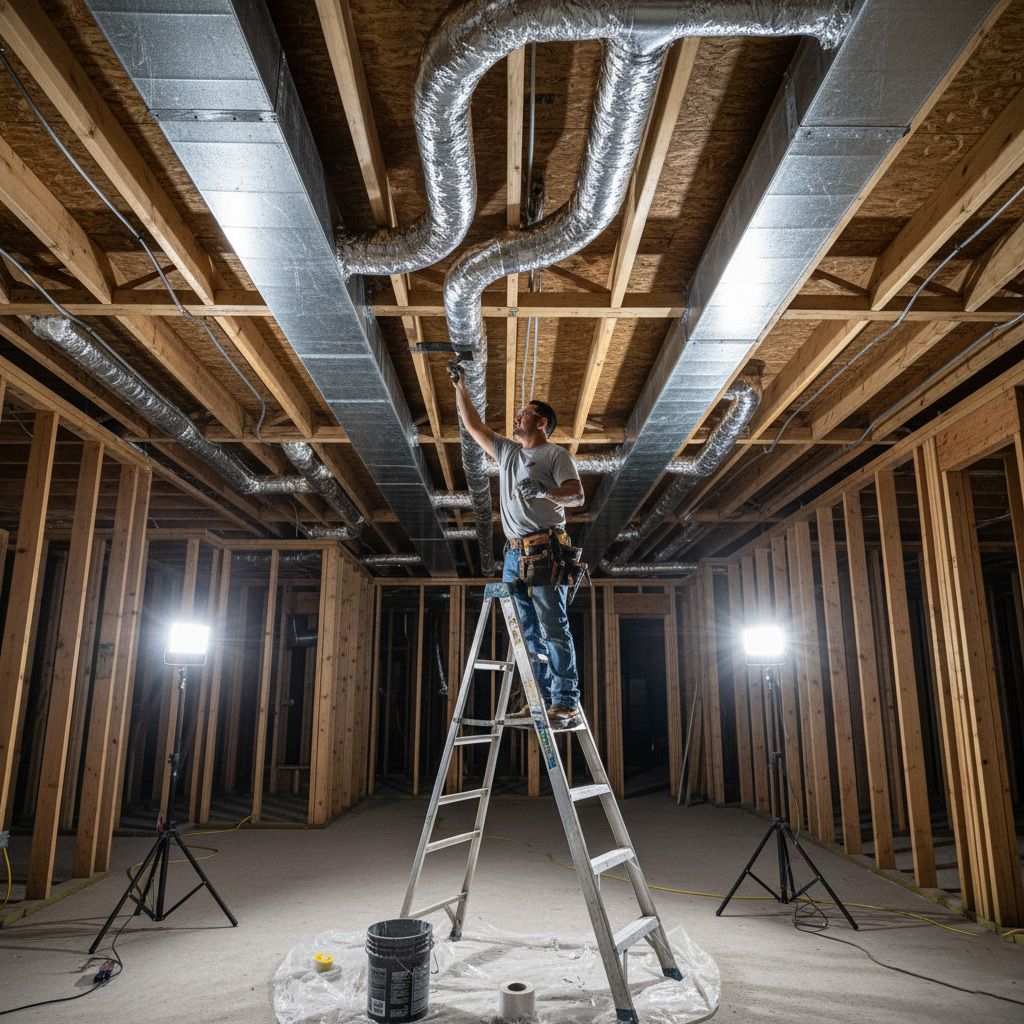
Replace or Clean Air Filters: Timing, Types, and Best Practices
When to Swap the Filter
Fort Lauderdale’s salty air and year‑round humidity make filters clog faster than you think. Check them every 30 days during summer, and every 60 days when the weather cools down.
- Monthly during peak cooling months (June‑September).
- Every 6‑8 weeks in the shoulder seasons.
- At least once a year, even if you don’t see visible dirt.
Choosing the Right Filter
Not all filters are created equal. A pleated 1‑inch fiberglass will trap dust, but a MERV 11‑13 electrostatic grabs pollen and mold spores that love our coastal air.
- Fiberglass: cheap, good for light dust.
- Pleated cotton: balances cost and capture rate.
- Electrostatic: best for allergy sufferers.
- HEPA‑grade: overkill for most homes, but perfect for a home office.
Pro Tips for a Clean Filter
Don’t just yank the filter out and toss it. Give it a quick tap, then a gentle vacuum if you’re re‑using.
- Snap the frame into place – a crooked filter hurts airflow.
- Mark the installation date with a Sharpie; you’ll thank yourself later.
- Keep a spare on the shelf; swapping takes less than a minute.
- When in doubt, replace. A dirty filter costs more in energy than a new one.
Optimize Thermostat Settings and Calibration for Energy Efficiency
In Fort Lauderdale’s heat, the thermostat is the command center. Set it right and you shave dollars off every bill. Miss the mark, and the system runs wild, gulping power like a thirsty dog.
Program the Daily Schedule
Think of the thermostat as a personal assistant that knows when you’re home, away, or sleeping. A simple schedule can lock in savings.
- Morning wake‑up (6 am‑9 am): Keep the house at 74°F (23°C). Warm air rises, you’ll feel comfortable.
- Workday (9 am‑5 pm): Drop to 78°F (26°C). The house is empty, so let it relax.
- Evening return (5 pm‑10 pm): Raise back to 74°F. Comfort returns as you walk in.
- Night (10 pm‑6 am): Slip to 72°F (22°C). A cooler room helps you sleep better.
Fine‑Tune Calibration
Even the smartest thermostat can drift if it’s not calibrated. Grab a reliable indoor thermometer and compare readings.
- If the thermostat reads 74°F but the room is 78°F, lower the set point by 2‑3 degrees.
- Check the outdoor sensor. A sun‑baked sensor will think it’s hotter than it is, causing the system to over‑cool.
- Run a quick “hold” test: set the unit to a fixed temperature for an hour and watch the actual room temperature. Adjust until they match.
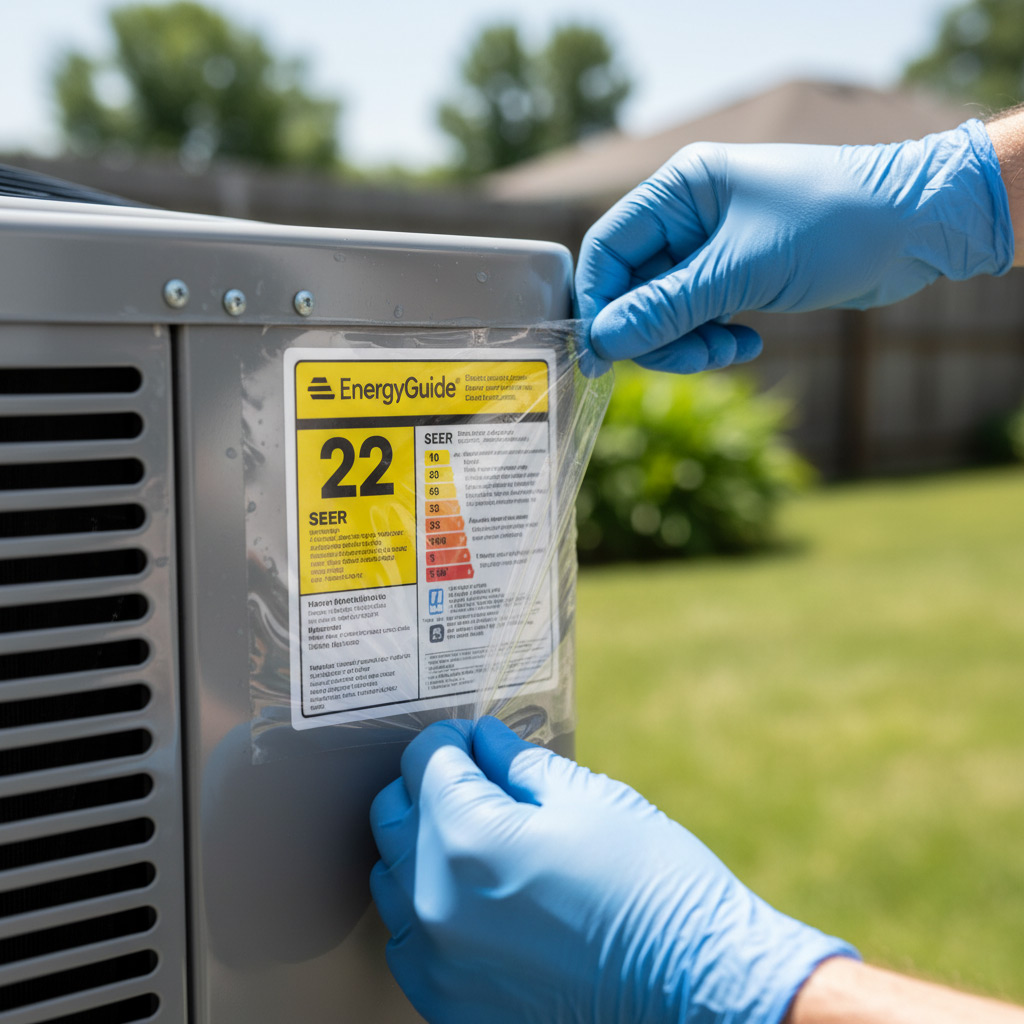
Conduct DIY Ductwork and Coil Checks to Prevent Hidden Issues
Why Look Inside the Ducts?
Dust, mold, and tiny critters love to set up shop in the hidden veins of your home. When they build a nest, your system works harder. Spotting a blockage early saves you from a costly repair later.
Keep an eye out for these tell‑tale signs:
- Uneven airflow from vents
- Musty odors when the fan kicks on
- Visible debris around vent grilles
Step‑by‑Step DIY Inspection
Grab a flashlight, a screwdriver, and a garden hose. Turn off the power at the breaker before you start.
1. Remove the vent cover and pull the grille out. Give it a quick vacuum.
2. Look down the duct with the flashlight. If you see a buildup, gently brush it away with a soft brush.
Next, locate the evaporator coil (usually behind the indoor air handler). Spray a fine mist of water while the fan runs; the coil should stay damp but not drip. Any ice or excessive moisture means it’s time to call a pro.
Safety First, Call When Needed
If you notice rust, cracked seams, or a foul smell that won’t disappear, stop the DIY and schedule a professional check. Those issues can spread quickly and affect indoor air quality.
Remember, a quick visual check each season can keep your system humming and your wallet happy.
Case Study: A Fort Lauderdale Home Reduces Energy Bills by 30% Through Proactive HVAC Maintenance
Background
When the Martinez family moved into their 2,300‑sq‑ft bungalow on Sunrise Blvd, their first HVAC bill hit $420 in July. They knew something was off, but the system still blew cold air.
Instead of waiting for a breakdown, they called a local tech and asked for a full audit. The technician found a clogged filter, dirty coils, and a thermostat that was off by five degrees.
Action Plan
They adopted a simple, repeatable routine:
- Quarter‑yearly filter swaps – every three months, a new pleated filter.
- Bi‑annual coil cleaning – spring and fall, the outdoor unit got a hose‑down and a coil brush.
- Thermostat recalibration – set to 78°F in summer, 70°F in winter, with a 2‑hour setback at night.
- DIY duct check – a quick visual for loose connections, then a professional seal once a year.
Each task took less than 30 minutes, and the family set calendar reminders on their phones.
Results
After six months, the Martinez’s July bill dropped to $295 – a 30% savings on the same cooling load. Their home stayed comfortable, and the system never tripped a safety shutoff.
They now brag about the low bills to neighbors, and the local HVAC shop reports a surge in proactive maintenance contracts. The lesson? A little discipline beats a big repair bill every time.
Final Words
When you treat your HVAC system like a prized car—regular oil changes, tire checks, and a clean interior—it rewards you with steady comfort and lower bills. Set that calendar reminder now and watch the savings stack up month after month.
Quick Checklist Before You Forget
- Mark the first Saturday of each month for filter swaps.
- Schedule a pre‑season outdoor unit wipe‑down after the last rain.
- Run a thermostat calibration test before the summer heat hits.
Need a hand with the heavy lifting? Our crew lives and breathes HVAC Maintenance in Fort Lauderdale, so you can focus on the beach while we keep the indoor breeze perfect. Take the first step today and lock in that peace of mind.
People Also Ask
How often should Fort Lauderdale homeowners schedule HVAC maintenance?
A smart resident arranges a professional tune‑up twice a year—once before the hot summer and once before the cooler winter. This biannual schedule aligns with the city’s humid subtropical climate and catches issues early.What’s the best time of year to clean the outdoor condenser unit?
The ideal window is early spring, before the cooling season peaks. Cleaning the coils and removing debris then maximizes efficiency during the long, humid summer months.Which air filter type offers the most protection in a coastal environment?
High‑efficiency pleated filters (MERV 8‑11) capture pollen, mold spores, and salty sea‑air particles common in Fort Lauderdale. Replacing them every 60‑90 days keeps indoor air clean and the system running smoothly.Can I calibrate my thermostat myself, or do I need a professional?
Most programmable or smart thermostats allow DIY calibration using the built‑in instructions or a mobile app. However, verifying wiring and sensor placement with a technician ensures optimal accuracy and energy savings.How much can proactive HVAC maintenance lower my energy bills?
A well‑maintained system can cut electricity usage by 20‑30%, especially when combined with regular filter changes and coil cleanings. Homeowners often see noticeable savings on their monthly utility statements.
Fort Lauderdale HVAC brings over 15 years of residential and commercial climate‑control expertise to the South Florida community. Their certified technicians specialize in energy‑efficient installations, preventative maintenance, and rapid repairs, ensuring comfort year‑round for homes and businesses throughout Fort Lauderdale. Committed to local service, they prioritize responsive support and transparent communication with every client.
Need HVAC?
We provide rapid, results‑focused service across Fort Lauderdale and neighboring ZIPs (33301, 33304, 33305, 33019, 33060), delivering the outcome you need on schedule. Our streamlined process ensures you see measurable results in record time.
Get HVAC Quote