
Picture this: you’re about to crank up the heat on a chilly Fort Lauderdale night, and the boiler sputters, then goes silent. That sudden chill isn’t just uncomfortable—it’s a warning sign that your system is on the brink of a costly breakdown.
From strange noises that sound like a rattling train to water that leaks like a busted pipe, the clues are right there, screaming for attention. Ignoring them is the fastest way to turn a minor repair into a full‑blown emergency that drains your wallet.
Spotting these symptoms early can save you a fortune and keep your home cozy all winter long, so let’s dive into the exact signs you need to watch for before the bill hits your doorstep.

Early Warning Signs Every Homeowner Should Notice
When your boiler starts acting like a reluctant teenager, it’s trying to tell you something. Ignoring the hints can turn a simple tweak into a pricey disaster. Spot the clues early and you’ll keep the heat on without breaking the bank.
What to Look For
- Inconsistent temperature – rooms that feel like a sauna one minute and an icebox the next.
- Strange odors – a faint smell of gas or burnt dust is never a good sign.
- Frequent cycling – the boiler turns on and off more than usual.
- Visible rust or corrosion on pipes and valves.
These symptoms don’t wait for a snowstorm to show up. A quick visual check around the boiler can reveal leaks, moisture, or worn‑out seals. If anything looks out of place, call a pro before the problem snowballs.
Decoding Boiler Noises: What Each Sound Indicates
When your boiler starts talking, it’s not just background noise—it’s a warning system. Listen closely, and you’ll catch the clues before a small problem blows up into a pricey repair.
Rattling or Clanking
A metallic clatter usually means something’s loose inside the heat exchanger or the pump. Don’t ignore it; the vibration can wear out components fast.
- Loose mounting bolts
- Worn bearings in the circulator
- Scale buildup causing uneven heat transfer
Hissing or Whistling
A steady hiss is often a sign of excess pressure or a leak in the gas line. It can also point to a failing pressure‑relief valve.
- High water pressure
- Cracked pipe joints
- Faulty venting or gas regulator
Gurgling or Bubbling
If you hear water sloshing inside the boiler, air is trapped in the system. That air can cause uneven heating and eventually corrode the metal.
- Improper bleeding of radiators
- Low water level in the tank
- Blocked return line
Clicking or Ticking
A rhythmic click often comes from the thermostat or the ignition sequence. When it turns into a rapid tick, the burner may be struggling to stay lit.
- Faulty thermostat sensor
- Dirty or misaligned ignition electrode
- Insufficient fuel supply
Spotting Leaks and Moisture: Early Detection Tips
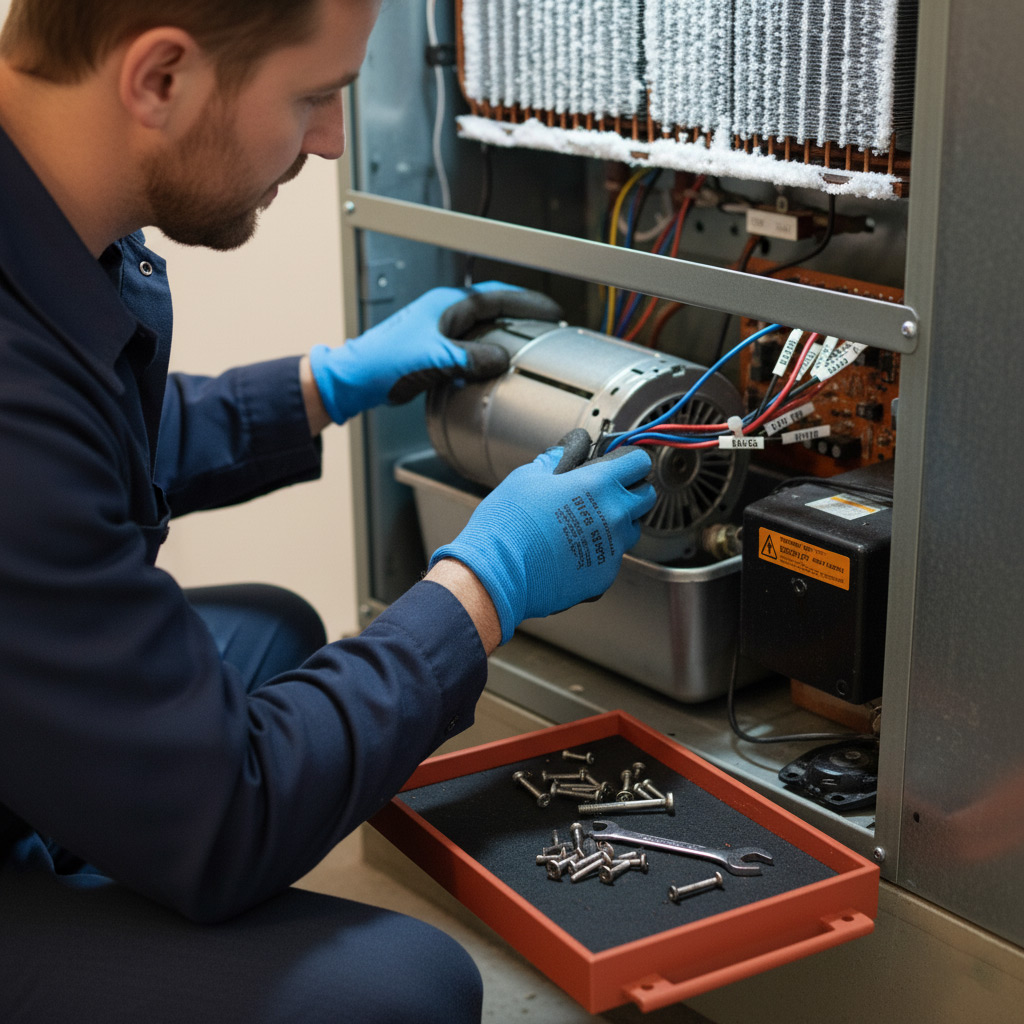
First thing’s first—give your boiler a quick visual sweep. Look for any wet spots, rust stains, or puddles around the base, pipe joints, and the vent pipe. Even a tiny drip can turn into a flood if you let it sit.
Next, trust your senses. A musty smell or a cool, damp wall near the unit is a red flag that water is escaping where it shouldn’t. Don’t ignore that “wet floor” feeling underfoot.
Quick‑Check Checklist
- Condensation tray overflow: If the tray is full, the drain line is likely clogged.
- Corroded fittings: Look for greenish‑blue buildup—signs of a slow leak.
- Water stains on ceilings or floors: They often point to a hidden pipe rupture.
- Pressure gauge fluctuations: A sudden drop can mean you’ve got a leak.
When you spot any of these, act fast. Shut off the boiler, dry the area, and call a certified technician before the problem spirals into a costly repair.
Efficiency Decline & Rising Energy Bills: Red Flags to Watch
When your monthly electric bill starts looking like a bad joke, it’s rarely a coincidence. Your boiler is probably working harder than it should, burning extra fuel just to keep the house warm. That extra effort shows up as a spike in your wallet, and it’s a sign the system is slipping.
What the numbers are trying to tell you
Don’t ignore the math—let it guide you. A sudden 10‑15% jump in usage? That’s a neon sign. Look for these patterns:
- Consistently higher heating costs month after month
- Thermostat settings unchanged, yet the bill climbs
- Short cycling: the boiler turns on and off in rapid succession
When to call a pro
If you spot any of the above, it’s time to act before the boiler quits on you. A qualified technician can:
- Check the heat exchanger for soot buildup
- Inspect the pump and valves for wear
- Run a combustion analysis to fine‑tune fuel use
Safety Hazards: Carbon Monoxide, Pressure Problems, and Overheating
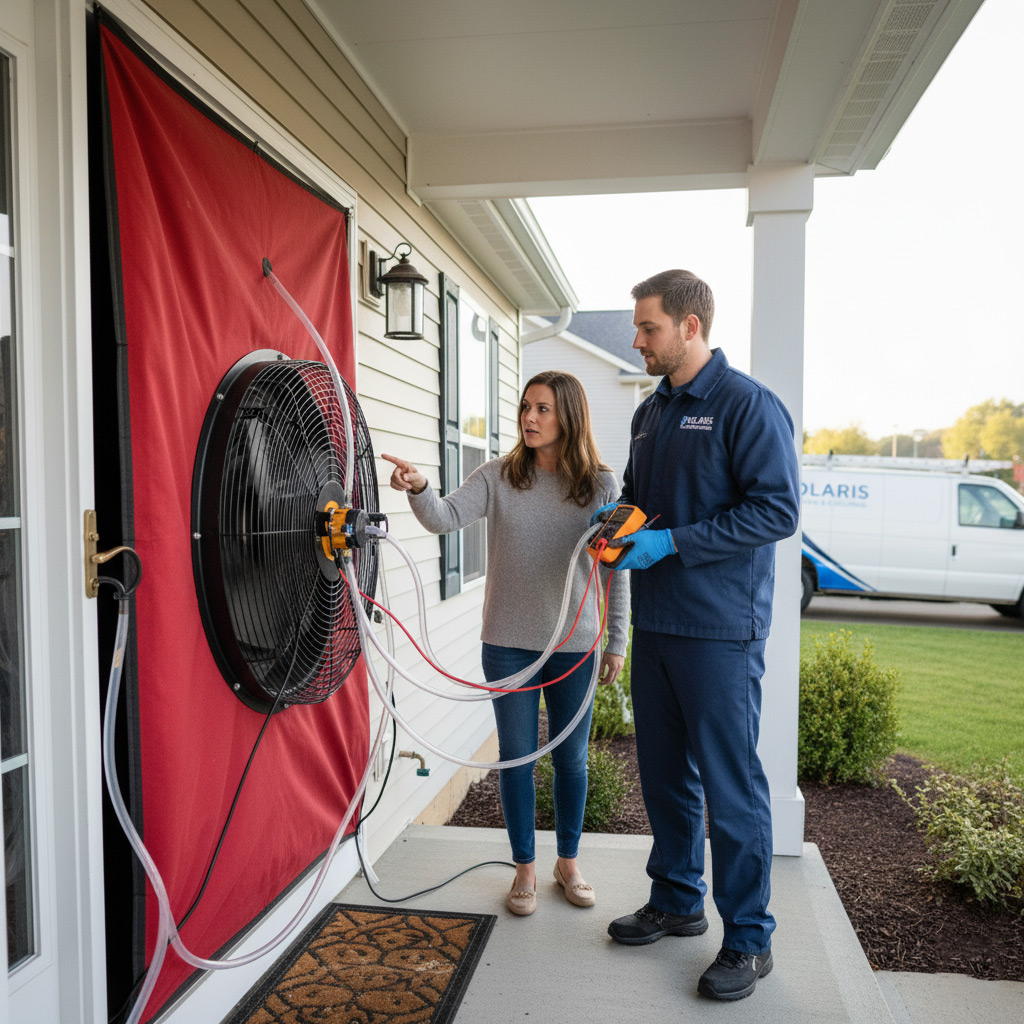
When a boiler starts acting up, the danger isn’t just a cold house—it can turn deadly fast. Carbon monoxide leaks, pressure spikes, and runaway heat are the three silent assassins that love to hide behind a humming furnace.
Carbon Monoxide – The Invisible Threat
CO is odorless, colorless, and can knock you out before you even notice a headache. If you hear a whistling sound or see a yellow flame flicker, pull the emergency shut‑off and call a pro right away.
- Install a battery‑powered CO detector near every sleeping area.
- Test the detector monthly—press the button, listen for the beep.
- Never ignore a low‑battery chirp; replace it immediately.
Pressure Problems – When the Boiler Gets Too Hot to Handle
Boiler pressure should sit between 12 and 15 psi when the system is cold. Anything above 20 psi is a red flag that the expansion tank is busted or the pressure relief valve is stuck.
Turn off the boiler, let it cool, then bleed the radiators to release excess pressure. If the gauge keeps climbing, schedule a service call before a pipe bursts and floods your living room.
Overheating – The Boiler’s Way of Saying “Enough!”
Overheating triggers the high‑limit switch, which shuts the burner down to protect the heat exchanger. You’ll feel the unit shut off abruptly, then hear a frantic clicking as it tries to restart.
Check for blocked vents, a dirty filter, or a failing pump. Clean the air intake, replace the filter, and if the unit still trips, it’s time to call in a certified technician—playing with heat exchangers without expertise is a recipe for disaster.
Case Study: How We Prevented a Costly Boiler Failure for a Fort Lauderdale Homeowner
When the Johnsons called, their boiler was making a low‑rumble that sounded like a distant freight train. They were about to schedule a pricey replacement. Our tech arrived, listened, and spotted a cracked heat‑exchanger seal before any water hit the floor.
What We Did
- Performed a pressure‑test to confirm the leak.
- Replaced the faulty seal and flushed the system.
- Installed a new pressure‑relief valve for extra safety.
Result? The Johnsons avoided a $4,500 emergency bill and kept their home warm all winter. The fix took under two hours and cost a fraction of a full replacement.
After the repair, we set them up with a simple maintenance calendar: check pressure gauge monthly, listen for odd noises, and call us at the first sign of trouble. That habit saved them another $1,200 in energy waste later that season.
Final Words
When you catch a problem early, you keep the heat on and the repair bill low. Don’t wait for a freeze‑over to force a frantic call to a technician.
Take Action Today
- Schedule a Boiler Repair inspection before the first cold snap.
- Keep a simple log of noises, leaks, and bill spikes – it’s your cheat sheet for the pros.
- Replace aging parts on a routine basis; a $200 part now beats a $2,000 emergency later.
Remember, a well‑maintained boiler is the silent hero of your Fort Lauderdale home. A quick check‑in now means you stay cozy all winter without the surprise invoice.
People Also Ask
What are the first signs that my boiler is failing?
Look for uneven heating, frequent short cycling, and a sudden drop in water pressure. Unusual noises like banging or whistling also indicate internal wear.How can I tell if a boiler leak is serious?
A small drip around the pressure relief valve may be minor, but pooling water on the floor or rust stains suggest a larger leak that needs immediate repair.Why do my energy bills rise even though I haven’t changed my usage?
A failing boiler loses efficiency, causing it to run longer to maintain temperature. Check for soot buildup, a cracked heat exchanger, or low flame quality.Is carbon monoxide a risk with a malfunctioning boiler?
Yes, a cracked heat exchanger or incomplete combustion can release carbon monoxide. Install a CO detector and schedule professional inspections if you notice yellow flames or soot.When should I call a professional for boiler repair in Fort Lauderdale?
If you experience any of the warning signs—noises, leaks, pressure loss, or rising bills—contact a licensed HVAC technician within 24‑48 hours to prevent costly damage.
Fort Lauderdale HVAC brings over 15 years of residential and commercial climate‑control expertise to the South Florida community. Their team of certified technicians delivers reliable heating, cooling, and ventilation solutions tailored to the unique climate of Fort Lauderdale. Committed to responsive service and energy‑efficient installations, they keep homes and businesses comfortable year‑round.
Need HVAC?
We provide rapid, results‑focused service across Fort Lauderdale and neighboring ZIPs (33301, 33304, 33305, 33019, 33060), delivering the outcome you need on schedule. Our streamlined process ensures you see measurable results in record time.
Get HVAC Quote