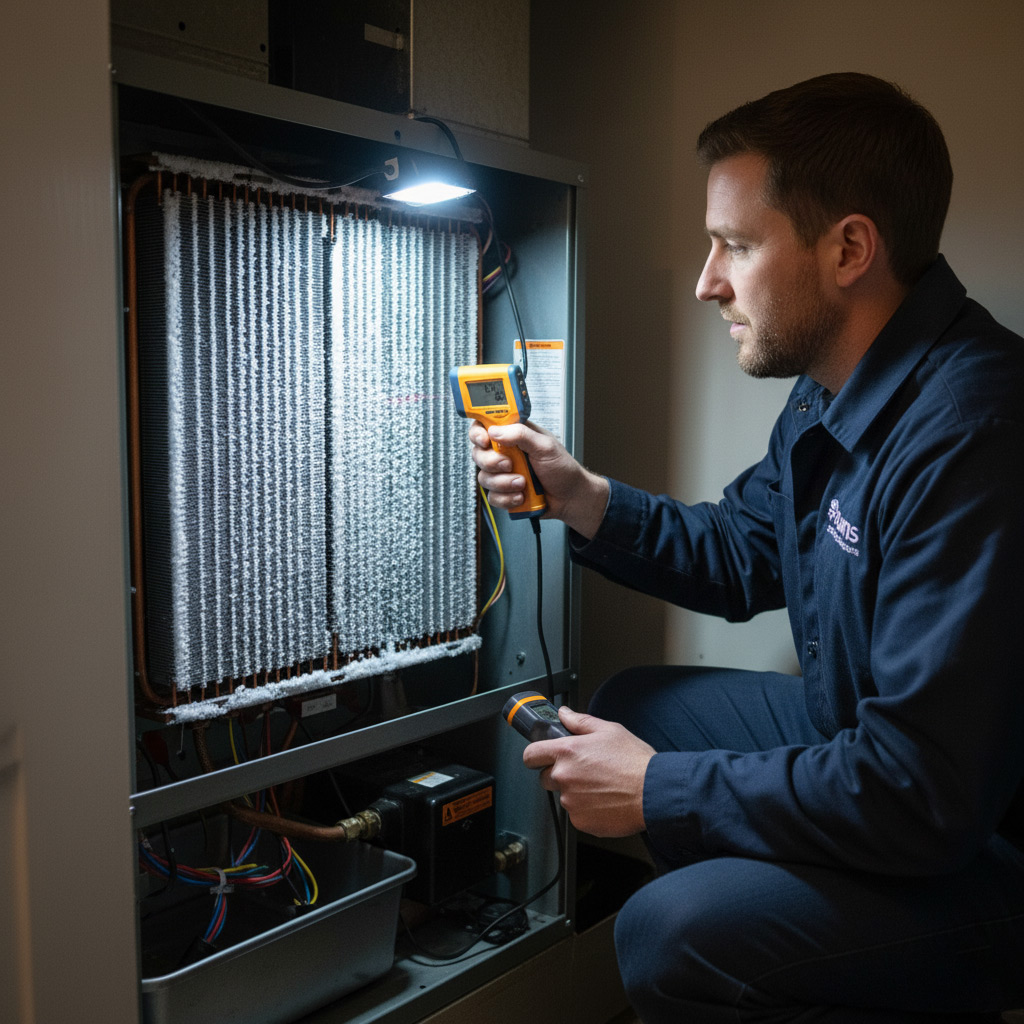
If you’ve ever watched your thermostat swing like a carnival ride, you know there’s more to Fort Lauderdale’s heat than just sunshine.
Most homeowners buy a system, forget about it, and then wonder why the house feels like a sauna in July and an icebox in December. The truth is, the “set‑and‑forget” myth is a costly illusion.
Local HVAC pros see the same mistakes over and over—wrong sizing, skipped maintenance, and shady service contracts that bleed wallets dry. Knowing what really works can save you a bundle and keep your family comfortable year‑round.
Ready to separate fact from fiction and finally get control of your indoor climate? Keep reading and discover the real game‑plan for residential HVAC in Fort Lauderdale.

Understanding Fort Lauderdale’s Climate and Its Impact on Residential HVAC Needs
Fort Lauderdale lives in a tropical‑maritime zone. Summer brings relentless heat, humidity that feels like a wet blanket, and afternoon sea breezes that can swing temperature a few degrees in minutes. Winter is mild, but occasional cold fronts can drop the mercury into the 50s, making the house feel like a refrigerator.
Key climate drivers you can’t ignore
- High humidity – pushes indoor comfort levels up and makes air‑conditioners work harder.
- Daily temperature swings – demand a system that can both cool fast and heat gently.
- Salt‑laden sea air – accelerates corrosion on outdoor coils and ductwork.
- Storm season – brings heavy rain and power outages, so backup options matter.
Because of those factors, a standard split‑system won’t cut it. You need a unit that dehumidifies efficiently, resists corrosion, and can flip from cooling to heating without a hitch. A heat pump with a high SEER rating and a corrosion‑protected coil is often the sweet spot for South Florida homes.
Don’t forget the house envelope. Poor insulation or leaky windows let that ocean humidity seep in, forcing the HVAC to run nonstop. Seal gaps, upgrade windows, and you’ll see a noticeable drop in run‑time and utility bills.
Proper Sizing: How to Choose the Right System for Your Home
Why Size Matters
Too big, and you’ll hear the fan scream while the house stays chilly. Too small, and you’ll sweat through the night as the unit strains.
Getting the size right means:
- Consistent comfort all year long.
- Lower energy bills because the system isn’t overworking.
- Longer equipment life – fewer breakdowns, fewer calls to the repair guy.
Crunch the Numbers, Don’t Guess
The secret sauce is a proper load calculation, often called a Manual J. It looks at square footage, ceiling height, sun exposure, window count, and insulation quality.
Ask your installer for a written report that includes:
- BTU (British Thermal Units) needed for each zone.
- Recommended SEER rating for the climate.
- Suggested airflow (CFM) to match the unit.
Pick a Pro Who Does the Homework
Don’t settle for a salesman who says “a 3‑ton unit will do.” A reputable contractor will:
- Show you the load calculation before quoting.
- Explain why a 2.5‑ton unit might be the sweet spot.
- Offer a warranty that covers both parts and performance.
The Essential Maintenance Checklist for Year‑Round Efficiency
Monthly Quick Wins
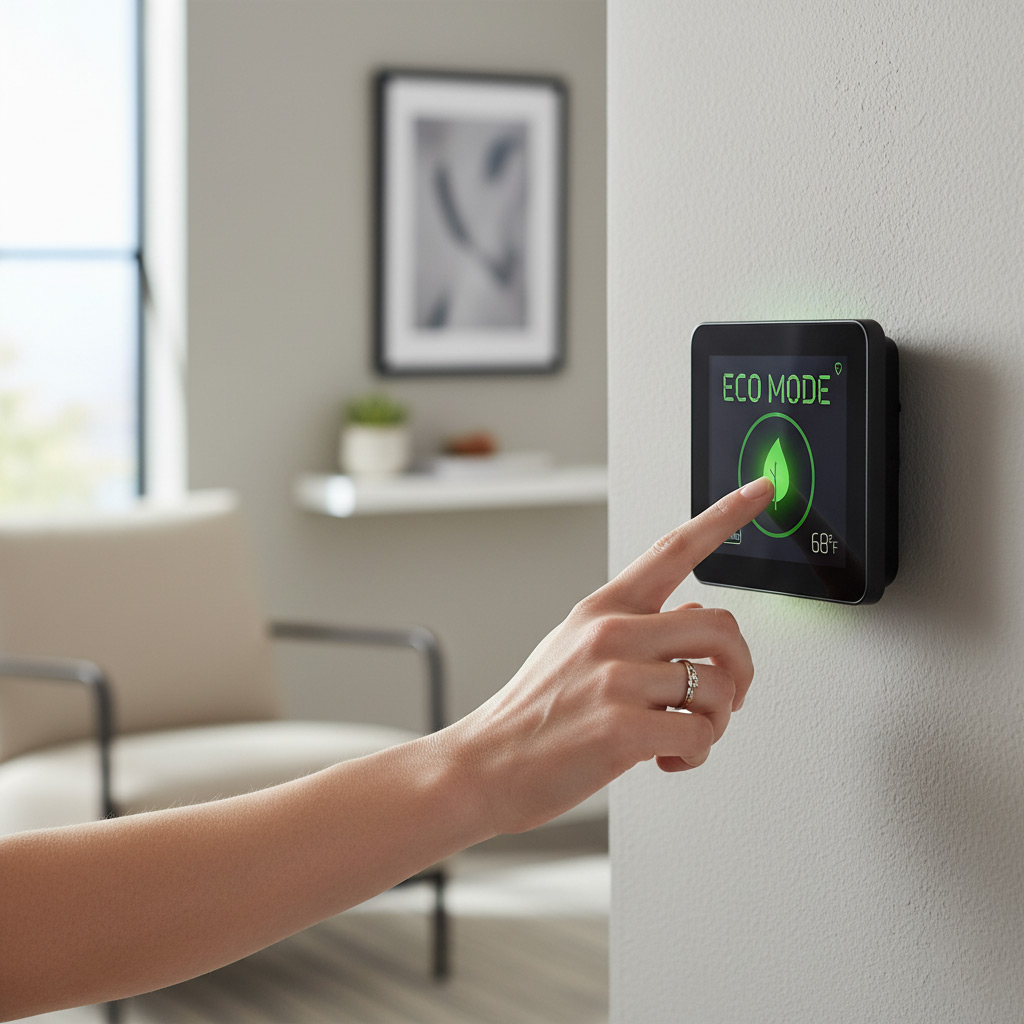
Every month, spend five minutes checking the thermostat display for odd readings; a stray digit can mean a failing sensor.
Swap or clean the indoor air filter—if it looks darker than a coffee mug, replace it.
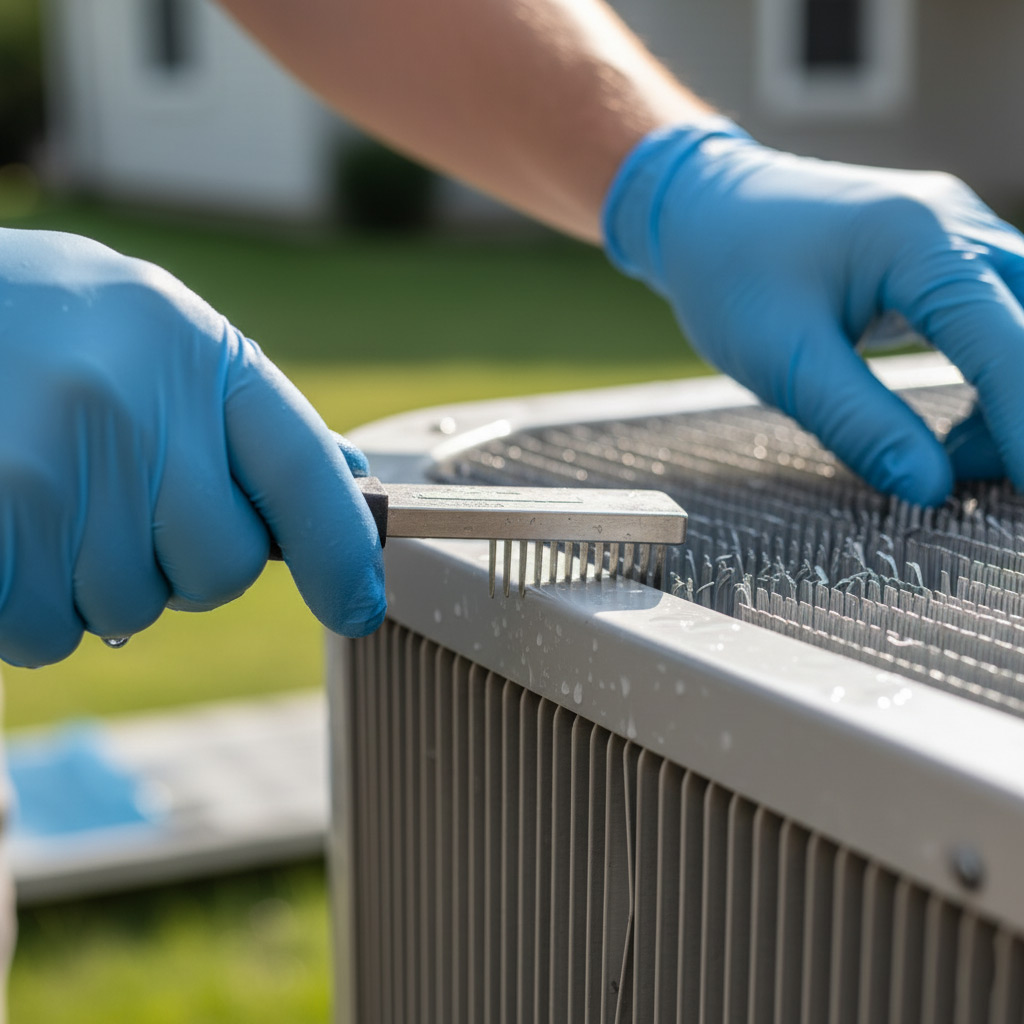
- Clear the outdoor unit of leaves and debris; a blocked coil chokes airflow.
- Inspect visible ductwork for cracks; seal with foil tape before dust spreads.
- Listen for unusual noises; a rattling fan often signals a loose blade.
Seasonal Deep Dive
When the humidity spikes in summer, run the AC on “fan‑only” for 15 minutes each morning to dry the coils.
Before the cooler months arrive, flip the heat switch and let the furnace run for a short cycle; this lubricates moving parts.
- Check the condensate drain line; pour a cup of bleach‑water to prevent algae buildup.
- Test the humidifier (if you have one) for proper output; low humidity can stress the system.
- Verify that all vents are open and unobstructed; closed registers force the blower to work harder.
Pro Check‑ups
Schedule a certified technician at least twice a year—once before the heat, once before the chill.
During the visit, demand a full refrigerant pressure test; low charge equals wasted energy.
- Ask for a combustion analysis on gas furnaces; a clean burn saves money.
- Request a motor amperage reading; high amps flag impending failure.
- Insist on a calibrated thermostat check; an off‑by‑one degree thermostat tricks you into over‑cooling.
Decoding Service Contracts: Red Flags and Smart Choices
Red Flags to Watch
Vague language is a warning sign. If the contract says “services as needed” without defining what “needed” means, you’re signing up for surprise bills.
Look for hidden fees hidden in the fine print. Annual mileage charges, “after‑hours” surcharges, or “parts markup” clauses can double your cost.
- Automatic renewal clauses that lock you in for years.
- Guarantees that sound too good to be true, like “lifetime warranty” on a 10‑year unit.
- Service windows that are “flexible” – you might end up waiting weeks for a technician.
Smart Choices for Your Contract
Ask for a clear scope of work. A good contract lists exactly what’s covered: inspection, cleaning, refrigerant check, and filter replacement.
Prefer a fixed‑price plan over a “per‑visit” rate. Predictable costs keep your budget in check and prevent the “I didn’t know that was extra” moment.
- Choose a contract with a cancellation policy that lets you walk away with 30 days’ notice.
- Make sure the agreement includes a response time guarantee – 24‑hour service for emergencies is a must in Fort Lauderdale heat.
- Ask for a performance clause: if the system’s SEER rating drops below a set level, the contractor must fix it at no extra charge.
Energy‑Saving Upgrades and Local Incentives for South Florida Homeowners
Upgrade Options That Pay Off
Swapping a single‑stage furnace for a variable‑speed model can shave 15‑20% off your monthly bill. It runs slower when you don’t need full power, so the motor never screams.
Smart thermostats aren’t just gadgets; they learn your schedule and cut waste before you even think about it. Pair one with a high‑SEER air conditioner and you’ll feel the difference the first summer night.
- Variable‑speed blower
- Smart thermostat (Nest, Ecobee, etc.)
- High‑SEER (≥16) AC unit
- Energy‑recovery ventilator (ERV)
Money‑Saving Incentives in Fort Lauderdale
The Florida Department of Revenue offers a 30% tax credit for qualifying HVAC upgrades. Check the deadline—it’s usually March 31.
Local utilities like TECO and Gulf Power hand out rebates for ENERGY STAR equipment. Sign up online, upload your receipt, and watch the cash bounce back.
- State tax credit: 30% up to $2,000
- Utility rebates: $200‑$500 per unit
- Federal tax credit: 10% for ENERGY STAR models
Getting Started
First, audit your current system. Note the age, SEER rating, and any odd noises.
Next, call a licensed Fort Lauderdale contractor who knows the rebate paperwork. Ask for a written estimate that includes potential incentives.
Finally, schedule the install before the summer rush. You’ll lock in the savings and enjoy a cooler home all season.
Case Study: Revamping a Fort Lauderdale Home’s HVAC for Comfort and Savings
The Problem
When the Martinez family moved into their 2,300‑sq‑ft bungalow, the old split‑system sputtered in July and froze in December. Their utility bills ballooned to $450 a month, and the thermostat was a guessing game.
They called us after a neighbor warned them about “ghost loads” caused by an undersized unit and clogged coils. The house needed a full audit before any money was spent.
The Solution
We started with a Manual J load calculation, then swapped the 2‑ton unit for a properly sized 3‑ton heat pump with a variable‑speed blower. Next, we added three quick wins:
- Smart thermostat with geofencing – cuts idle time.
- Whole‑home air purifier – improves indoor air without extra fan power.
- High‑efficiency UV lamp on the coil – keeps it clean longer.
All components were installed by certified technicians who sealed duct leaks and insulated the attic run.
The Results
First month after the upgrade, the Martinez’s electric bill dropped to $210 – a 53% savings. Indoor temps stayed within a 2‑degree band, no more hot spots.
Because the new system qualifies for the Florida Solar Energy Loan, they secured a $1,200 rebate, shaving the upfront cost in half. Comfort is back, and the wallet is breathing easier.
Final Words
Before you walk away, remember that a comfortable home isn’t a luxury—it’s a right. Every Fort Lauderdale homeowner who skips the basics pays for it later, whether it’s a sky‑high electric bill or a furnace that quits on a humid night. The good news? You’ve got the playbook now, so you can dodge the common traps and keep the indoor climate on your terms.
Quick‑Hit Checklist
- Right‑size your unit – a professional load calculation beats guesswork every time.
- Schedule twice‑yearly maintenance – spring and fall are the sweet spots.
- Read the fine print on service contracts – look for hidden fees and mandatory parts.
- Tap into local rebates – Florida’s energy‑saving incentives can shave hundreds off upgrades.
When you’re ready to put the plan into motion, start with a trusted local pro who knows the quirks of South Florida weather. A quick call can lock in a free assessment, and you’ll be on the fast track to a home that stays cool in July and cozy in December. Need a starting point? Check out our Residential HVAC Services page for a full menu of options tailored to Fort Lauderdale homes.
People Also Ask
What makes Fort Lauderdale’s climate unique for HVAC sizing?
Fort Lauderdale’s hot, humid summers and mild winters require systems that can handle high latent loads and provide consistent dehumidification. Proper sizing ensures comfort without overworking the unit, which can lead to higher energy bills and premature wear.How often should I schedule HVAC maintenance in Fort Lauderdale?
Schedule a professional inspection at least twice a year—once before the cooling season and once before the heating season. Regular filter changes and coil cleaning keep the system running efficiently year‑round.Are service contracts worth it for residential HVAC in South Florida?
A well‑structured contract can lock in discounted rates, priority service, and routine maintenance, saving you money on unexpected repairs. Avoid contracts that include vague language, unlimited repairs, or mandatory equipment upgrades.What energy‑saving upgrades are available for homeowners in Fort Lauderdale?
Upgrading to a high‑efficiency SEER‑rated air conditioner, adding a programmable thermostat, and sealing ductwork are top upgrades. Local utility rebates and Florida’s ENERGY STAR incentives can offset a portion of the cost.How can I tell if my HVAC system is the right size for my home?
A Manual J load calculation performed by a certified technician will determine the exact cooling and heating capacity needed. Signs of an oversized system include short cycling, uneven temperatures, and higher humidity levels.
Fort Lauderdale HVAC brings over 15 years of residential and commercial climate‑control expertise to the South Florida community. Their team of certified technicians delivers reliable heating, cooling, and ventilation solutions tailored to the unique demands of Fort Lauderdale’s climate. Committed to responsive service and energy‑efficient installations, they keep homes and businesses comfortable year‑round.
Need HVAC?
We provide rapid, results‑focused service across Fort Lauderdale and neighboring ZIPs (33301, 33304, 33305, 33019, 33060), delivering the outcome you need on schedule. Our streamlined process ensures you see measurable results in record time.
Get HVAC Quote