When the Fort Lauderdale sun hits 95°, the last thing you want is a wheezing, sputtering air conditioner that sounds like a dying cat. That moment of dread—air thick, sweat dripping, kids whining—can turn a perfect beach day into a nightmare in seconds.
Most homeowners think a quick call to a “generic” repair service will solve the problem, but the truth is the local climate, salty sea breeze, and older units create a unique set of challenges. From clogged condensers to refrigerant leaks that hide in the walls, the right fix isn’t a one‑size‑fits‑all.
Stick around and we’ll walk you through the exact steps to diagnose, repair, and protect your system so it stays cool all summer long.

Understanding Fort Lauderdale’s Climate Impact on AC Systems
Fort Lauderdale basks in a tropical vibe: scorching sun, relentless humidity, and a salty sea breeze that never quits. Those three forces team up to push your air conditioner into overdrive, draining energy and shortening its lifespan.
Heat & Humidity: The Double Whammy
When outdoor temps climb past 90°F, the condenser works harder to dump heat. Add 80%+ humidity, and the evaporator coil struggles to absorb moisture, leading to ice buildup and reduced airflow.
- Higher compressor load means more wear and a greater chance of motor burnout.
- Moisture‑laden air clogs the coil, forcing the system to run longer.
- Frequent cycling spikes electricity bills and stresses the thermostat.
Salt‑Air Corrosion: The Silent Killer
The ocean’s salty mist settles on metal parts, turning them into rust magnets. Corrosion eats away at coils, fan blades, and even the delicate refrigerant lines.
- Corroded coils lose heat‑transfer efficiency.
- Rusty fan motors wobble, creating noisy operation.
- Leaky refrigerant lines cause low‑charge warnings and costly repairs.
The Most Common AC Issues in Coastal Homes and How to Identify Them
Corrosion and Clogged Coils
Salt‑air loves to eat away at metal. Your outdoor condenser can develop rust spots that choke airflow, making the unit work harder.
Look for fuzzy, white buildup on the coils and a noticeable drop in cooling power. If the fan sounds like it’s straining, it’s probably fighting a clogged coil.
Refrigerant Leaks Hidden in the Walls
Coastal humidity pushes refrigerant lines to expand and contract, creating tiny cracks that hide behind drywall.
Signs include ice forming on the evaporator, a hissing sound, or the thermostat flashing “E‑2.” A sudden loss of cold air after a few minutes of running is a red flag.
Thermostat and Electrical Glitches
Heat spikes can fry wiring, especially in older homes with outdated panels.
When the thermostat flickers, resets itself, or displays error codes, it’s time to check the breaker and look for burnt connectors.
Drainage and Mold Problems
Coastal moisture loves to sit in the condensate pan, turning it into a breeding ground for mold.
Watch for water pooling around the indoor unit, a musty smell, or slow dripping from the drain line.
- Reduced airflow – feel the vents; they’re weak.
- Unusual noises – rattles, squeaks, or buzzing.
- Higher electric bill – the unit is overworking.
A Homeowner’s Diagnostic Checklist: What to Test Before Calling a Pro
Before you dial a technician, run a quick sanity check. It saves you time, money, and a lot of frustration. Most problems are visible if you know where to look.
Power and Thermostat Basics
First, make sure the unit is actually getting power. Flip the breaker, then reset the indoor thermostat.
- Check that the thermostat is set to cool and the temperature is at least 5 °F lower than the room.
- Listen for a faint click from the outdoor condenser when the fan kicks on.
- Verify the outdoor disconnect box is closed and the fuse isn’t blown.
If anything feels off, note it before you call. A dead breaker is a cheap fix; a busted thermostat can be swapped in an hour.
Airflow and Filters
Clogged filters choke the system. Pull the return grille, slide out the filter, and give it a visual inspection.
- Filter looks dirty? Replace it. A clean filter restores up to 15 % efficiency.
- Check the supply vents for obstructions—furniture, curtains, or pet toys.
- Feel the airflow at a vent. If it’s weak, the blower motor or ductwork may be the culprit.
Good airflow is the lifeblood of any AC. If you spot a blockage, fix it now and you might avoid a costly service call.
Condensate Drain and Outdoor Unit
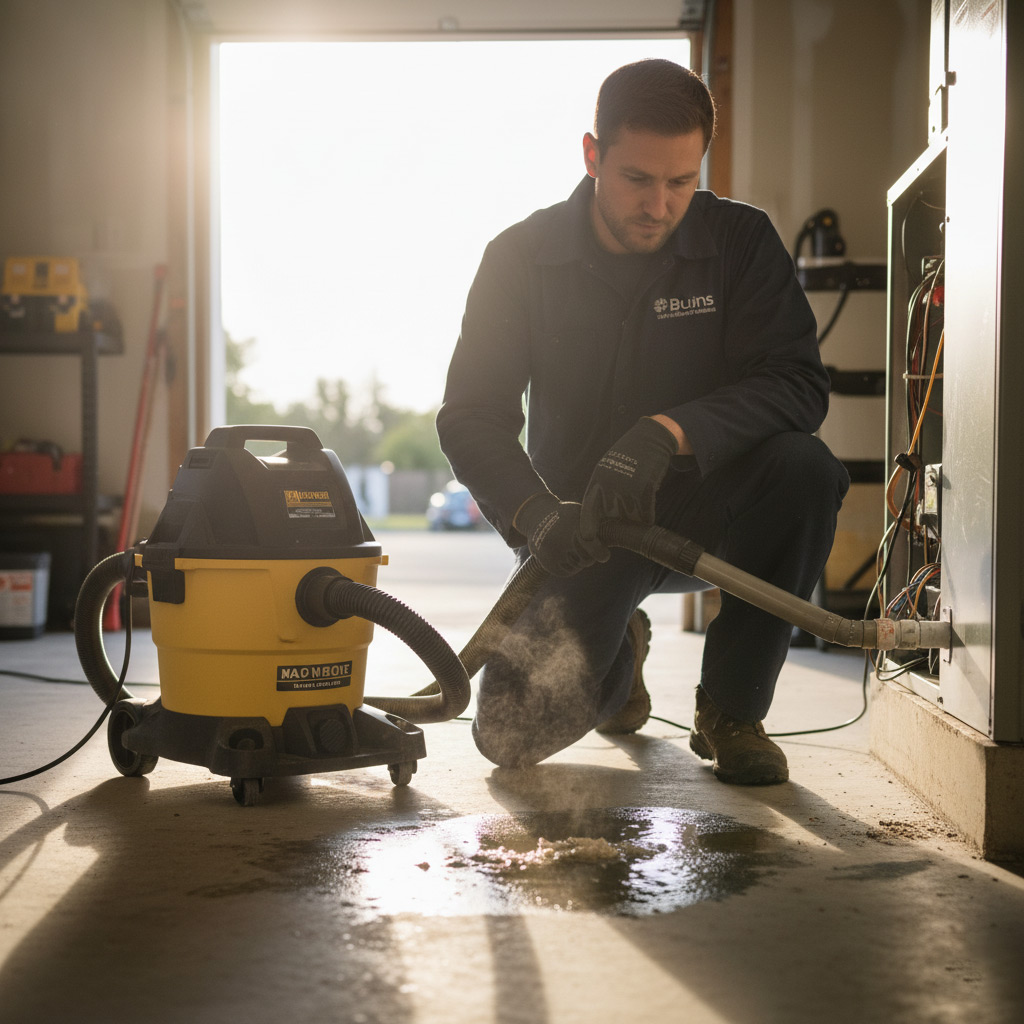
Water pooling around the indoor unit? That’s a tell‑tale sign of a clogged drain line.
- Locate the drain pan under the indoor coil. Look for standing water.
- Use a wet/dry vacuum on the drain line’s end to clear any blockage.
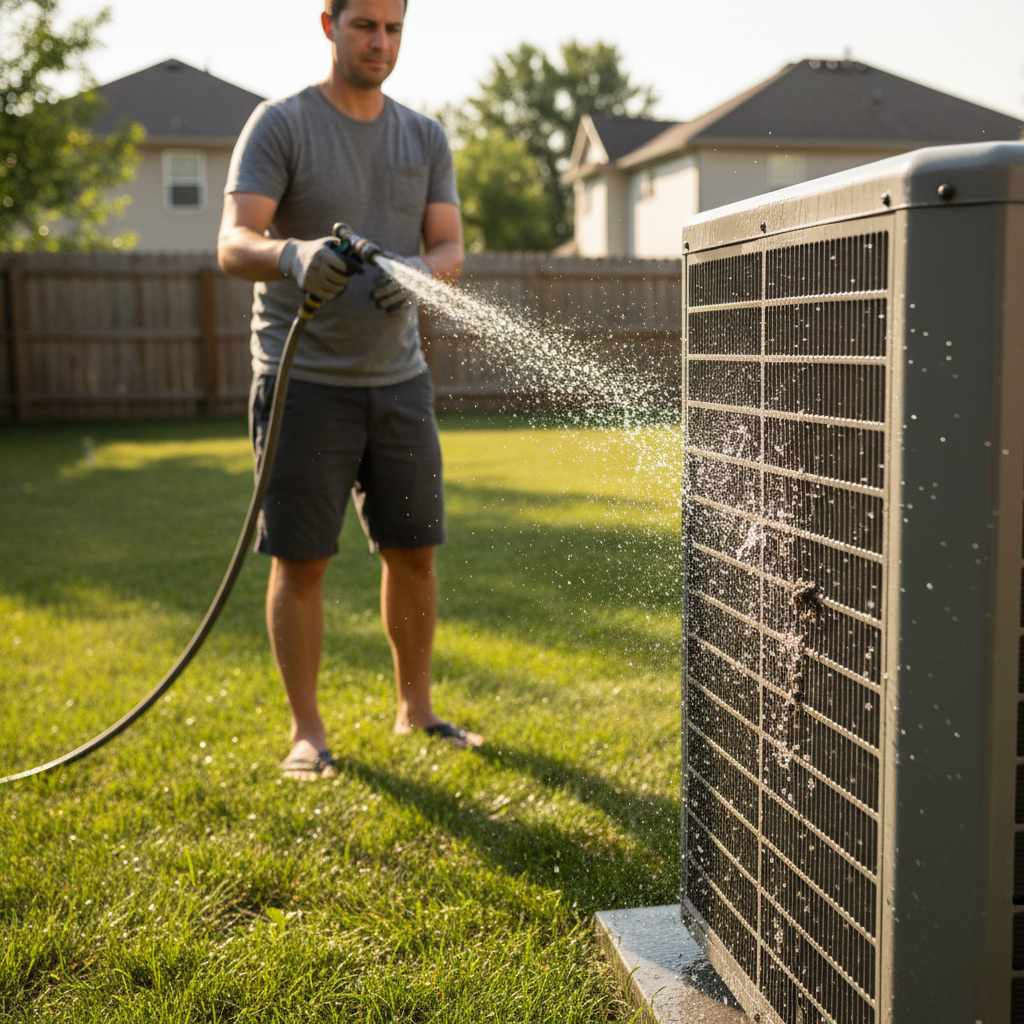
- Inspect the outdoor condenser coil for grime. A garden hose blast can do wonders.
Clear the drain, clean the coil, and you’ve tackled two of the most common failures in one go. If the unit still won’t cool, it’s time to bring in the pros.
DIY Repairs vs. Professional Intervention: Knowing When to Call the Experts
Not every hiccup needs a service van. Some hiccups you can tame with a screwdriver and a little elbow grease. But a misstep can turn a cheap fix into a costly disaster.
DIY Repairs Worth Trying
Before you dial a tech, run through these quick wins. They take minutes, not hours, and often restore comfort.
- Replace a dirty air filter. A clogged filter chokes airflow and makes the unit work harder.
- Clear the outdoor condenser. Remove leaves, sand, and debris; a clean coil breathes easier.
- Check the thermostat batteries. Dead cells can make the system think it’s already at the set temperature.
When to Call a Pro
If the problem persists after the basics, it’s time to bring in the specialists. These issues demand tools and knowledge you probably don’t have in the garage.
- Refrigerant leaks. Low charge means the compressor can overheat and fail.
- Strange noises like grinding or squealing. Those sounds often signal motor or fan damage.
- Electrical sparks or tripped breakers. Anything involving live wires is a no‑go for DIY.
Tailored Preventative Maintenance for Salt‑Air Environments
Why Salt Air Is a Silent Killer
Every sea breeze carries microscopic salt particles that love to settle on metal coils, fan blades, and electrical contacts. Corrosion starts the moment the droplets hit, and if you ignore it, your AC will lose efficiency faster than a rookie in a heat wave. Think of it as rust in disguise—it eats away at performance without you even hearing it.
Monthly Tasks That Save You Money
Stick to a simple checklist and you’ll keep the salty beast at bay.
- Wipe the outdoor condenser with a garden hose; spray from the top down to flush out salt deposits.
- Inspect fan blades for white crust; a quick brush with a soft‑bristle brush does the trick.
- Check the evaporator coil for a film of residue; a gentle mist of water and a soft cloth will restore airflow.
- Run the system on “fan‑only” mode for 10 minutes after each cleaning to dry the components.
When to Call the Pros
If you notice a drop in cooling power, odd noises, or the unit runs longer than usual, it’s time to bring in a specialist. Professional technicians have anti‑corrosion treatments that DIY kits can’t match. Let them apply a marine‑grade coating to the coils and tighten any loose connections before the next heat spike hits.
Case Study: Reviving a 15‑Year‑Old Split‑System in a Beachfront Property
The Situation
When the owners called, the unit was sputtering, blowing warm air, and leaving a faint salty film on the indoor coil. The 15‑year‑old split‑system had been battling the ocean breeze since day one, and corrosion was eating away at the copper lines.
We ran a quick pressure test and found the refrigerant charge down 30 %. The outdoor condenser was clogged with sand‑laden debris, and the fan motor was humming but not moving enough air.
The Fix
First, we stripped the outdoor coil, soaked it in a marine‑grade rust remover, and rinsed with fresh water. Corrosion‑resistant aluminum fins were installed to keep the next season clean.
Next, we repaired the leak with a brazed joint and topped off the system with the exact amount of R‑410A the manufacturer calls for. A new variable‑speed fan replaced the tired motor, giving the unit a boost in airflow without extra electricity.
- Cleaned the condensate drain line – no more water backup.
- Added a protective UV‑coated cover to shield the condenser from sun and salt spray.
- Programmed a smart thermostat to run the fan on “eco‑mode” during mild evenings.
After the work, the indoor temperature dropped 12 °F within 15 minutes. The owners reported a quiet, steady breeze and a 20 % dip in their electric bill.
Final Words
Fort Lauderdale’s heat doesn’t wait, and neither should you. Lock in a seasonal tune‑up before the first wave of humidity hits, and you’ll dodge the frantic “my AC died” calls that ruin beach plans.
Take Action Today
- Inspect the outdoor coil for salt‑crust buildup every month.
- Swap out the air filter at least once a quarter—more often if you have pets.
- Schedule a professional check‑up before the summer rush; a quick $150 visit can save you a $1,500 emergency repair.
When you’re ready to move from DIY to a certified pro, head over to our Air Conditioning Repair page. Our Fort Lauderdale crew knows the salty air, the scorching sun, and the exact fixes that keep your home cool without breaking the bank.
People Also Ask
How does Fort Lauderdale’s salty, humid climate affect my air conditioner?
The high humidity and salt‑air accelerate corrosion on coils, condensers, and electrical components, reducing efficiency and shortening lifespan. Regular cleaning and corrosion‑resistant parts are essential to combat these effects.What are the most common AC problems in coastal homes?
Typical issues include clogged condensate drains, corroded copper coils, refrigerant leaks, and failing capacitors caused by moisture and salt exposure. Early detection can prevent costly repairs.When should I attempt a DIY AC fix versus calling a professional?
Simple tasks like replacing filters, cleaning the outdoor unit, or resetting a tripped breaker are safe DIY jobs. Anything involving refrigerant, electrical wiring, or major component replacement should be handled by a licensed HVAC technician.What preventative maintenance steps are recommended for a beachfront property?
Schedule bi‑annual professional tune‑ups, use a protective coating on outdoor coils, keep the unit clear of sand and debris, and install a UV‑protected cover during the off‑season. These steps help mitigate salt‑induced wear.How often should I have my AC system inspected in Fort Lauderdale?
A thorough inspection at least twice a year—once before the cooling season and once after—ensures optimal performance and catches corrosion‑related issues early. Additional checks are advisable after severe storms or hurricanes.
Fort Lauderdale HVAC brings over 15 years of residential and commercial climate‑control expertise to the South Florida community. Their team of certified technicians delivers reliable heating, cooling, and ventilation solutions tailored to the unique climate of Fort Lauderdale. Committed to responsive service and energy‑efficient installations, they keep homes and businesses comfortable year‑round.
Need HVAC?
We provide rapid, results‑focused service across Fort Lauderdale and neighboring ZIPs (33301, 33304, 33305, 33019, 33060), delivering the outcome you need on schedule. Our streamlined process ensures you see measurable results in record time.
Get HVAC Quote